Search Results
2323 results for “inflammation”

How to Get Rid of Cat Tear Stains
Tear stains spring from diet, eye irritation, herpesvirus, or flat-faced breed anatomy, and the fix starts with better food, filtered water, and non-plastic bowls plus daily warm wiping. For non-infected stains, a dab of medical petrolatum lets tears evaporate before they mark the fur; for infected or inflamed eyes, use a pet antiseptic eye drop first, then the petrolatum.
Feline Stomatitis: The Complete Guide
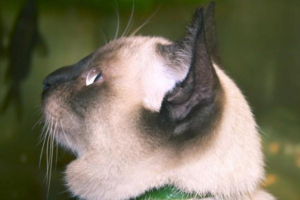
Feline stomatitis is a painful, relapsing inflammation of the whole mouth — gums, oral mucosa, and pharynx — driven by an over-active immune response to plaque and viruses like calicivirus. Signs run from foul drooling and weight loss to a cat that stops grooming and hides in pain; treatment pairs steroids and antibiotics with dental cleaning, and extracting the premolars and molars resolves or greatly eases symptoms in roughly two-thirds of cats.

Little-Known Facts About Cat Breeding
Cat breeding is far more than putting a pair together: a queen's heat can be broken by changing her environment or a pheromone spray (not risky 'heat-stop' powders or the unsafe swab trick), a neutered tom may still mount from leftover hormones if fixed late, and a queen's scream at mating simply means the barbed-penis trigger worked and she has ovulated. Pink nipples hint at pregnancy but can also mean a false pregnancy, so they are not proof on their own.

Can Dogs Go Bald?
Dogs can lose patches of coat for many reasons—an autoimmune alopecia areata, follicular dysplasia in certain breeds, post-vaccine inflammation at the injection site, clipping stress, breed-specific pattern loss, a too-tight collar, or mites, allergies, hormones, and tumors. Most shedding can't be avoided, so deworm, disinfect, and brush regularly.

Understanding and Preventing Kidney Stones in Senior Pets
Senior dogs and cats are prone to kidney stones, with causes running from meat-heavy, vegetable-poor diets and low water intake to genetics and breed — purebreds are likelier victims. Once formed, stones are hard to cure and quick to return, so prevention leans on more water, a kibble-based diet with less meat and sodium, and more vegetables; only severe cases need surgery, which carries real anesthesia risk in older pets and requires a pre-op blood panel.

Don’t Let Summer Ruin Your Dog’s Ear Health
Hot, humid summers spike ear disease, especially in drop-eared breeds like Cockers, Beagles, and Basset Hounds. The four usual offenders — outer and inner ear infections, fungal overgrowth, and ear mites — all need a vet's lab confirmation and proper pet medication, never human products; the fix is prevention: dry, clean ears and regular checks.

Treating Canine Bronchopneumonia
Canine bronchopneumonia (lobular pneumonia) brings high fever, cough, labored breathing, and thick yellow-brown nasal discharge, often following a cold or diseases such as distemper and adenovirus. Treatment combines Western medicine — anti-inflammatory, cough and asthma relief, and fluid support — with Chinese herbal formulas such as Houttuynia injection and Maxingshigan decoction, plus antibiotics like ampicillin for severe cases.

Why Rabbits Grind Their Teeth and How to Help
Teeth grinding is normal for rabbits because their teeth never stop growing — and if they grow too long they can pierce the jaw and kill. Plenty of coarse hay and chew items wear them down, and an overgrown set needs a vet to trim.
What Are the Benefits of Neutering Your Cat?
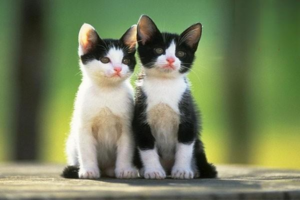
Neutering curbs estrogen-driven behaviors, making a cat calmer and easier to live with, and — when done before age five — can extend its lifespan by avoiding the physical toll of repeated heat and breeding. Watch the incision site afterward: mild inflammation needs daily disinfection with an E-collar, while a widening wound or pus means a vet visit for possible re-suturing.

How to Treat a Rabbit’s Wounds
Rabbits easily pick up minor scrapes and cuts, and any wound should be cleaned and disinfected promptly to prevent infection. For deep or large wounds, proper bandaging with sterile supplies is needed, while severe trauma requires veterinary care. Keep an E-collar on your rabbit until the wound has fully healed to stop licking.