Search Results
902 results for “illness sign”

Causes and Treatment of Dog Hepatitis
Dog hepatitis can stem from infectious canine hepatitis, toxins or drugs (arsenic, mercury, plant alkaloids, phenols, chlorpromazine, testosterone, halothane), or liver-fluke parasites. Early signs are vague — lethargy, appetite loss, jaundice, vomiting — so a vet visit and blood work are needed; treatment removes the cause, supports the liver, and uses antivirals when viral.
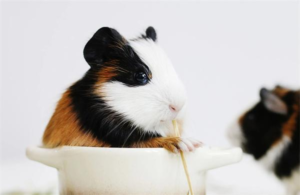
Common Guinea Pig Diseases and Their Symptoms
Guinea pigs commonly suffer digestive troubles (diarrhea, constipation, gut parasites), respiratory infections (pneumonia, bronchitis), skin disease from bacteria, fungus, or external parasites, and urinary issues (cystitis, nephritis). Good diet, clean housing, checkups, and prevention keep them healthy.
Can a rabbit’s cold get better on its own?
A rabbit's cold usually will not heal on its own and can worsen without treatment; delay may lead to pneumonia. A few strong rabbits might recover from mild cases, but do not rely on that. At the first sign, see a vet or treat under guidance.
What causes canine encephalitis?
Canine encephalitis is inflammation inside the brain, often from an untreated head injury leading to meningitis, or from ingesting nerve-damaging substances or mycoplasma infection. Symptoms include lethargy, poor appetite, fever, unsteady gait, and in severe cases seizures or stiffness.
What should I do if my dog is anorexic and refuses food?
Many causes lead to a dog refusing food, so find the specific reason. Test with canned food, paste, or meat to see if it is just picky eating, and if so retrain its diet and stop human food. Watch for diarrhea or vomiting that signals illness, or check the mouth for objects or dental disease if it tries but cannot eat.
Dog Farts a Lot and They Stink? It May Be a Gut Problem
Occasional gas is normal (10–15 times a day), but frequent, foul gas points to poor digestion, fast eating, or gut-flora imbalance. Choose an easy-to-digest food with fresh meat and no grains or legumes, feed on a schedule, use a slow-feeder bowl, and add a pet probiotic. If gas comes with vomiting, diarrhea, a hard swollen belly, or pain, it could be pancreatitis, gastroenteritis, or parasites — see a vet.
What Is a Normal Heart Rate for a Cat?
A healthy adult cat's heart rate is 120–160 beats per minute (kittens up to ~200; seniors and large breeds 140–160). Measure it via the inner foreleg pulse or a stethoscope over the left chest when the cat is calm. Persistently fast, irregular beats with coughing or low exercise tolerance can mean heart disease (e.g., hypertrophic cardiomyopathy); seek a vet if the resting rate stays above 180 or below 100.
Does a Cat’s Purring Always Mean It’s Happy?
Most purring does mean a relaxed, content cat, produced by vocal-cord vibration at 20–140 Hz. But cats also purr to self-soothe when stressed, anxious, or in pain (arthritis, illness, labor), and a fast, tense purr with flattened ears signals distress. If purring comes with appetite loss, odd litter-box habits, or lethargy, see a vet.

How to Tell If Your Dog Is Full
You can tell a dog is full by watching its eating pace, checking that the belly is rounded but not bloated, noting regular and well-formed stools, and seeing calm, content behavior after the meal. Adjust portions to the dog's activity level rather than relying on the empty bowl alone.
What should I do if my dog has mild diarrhea but is still energetic?
Mild diarrhea with good energy is often simple indigestion from eating something unclean. You can start with bismuth subsalicylate tablets and probiotics, but if it worsens or recurs, see a vet to rule out parasites or viral infection.