Search Results
902 results for “illness sign”
How long do cats sleep?
Cats sleep about 16-20 hours a day; kittens and seniors sleep 18-20, adults about 16. This is normal because much of it is light dozing (half-asleep), which restores little energy, so cats spend most of their non-eating, non-playing time asleep. But a sudden increase with reduced appetite or abnormal stools may signal illness - watch for other symptoms and see a vet if abnormal.
Why won’t my cat eat?
Common causes are indigestion and pickiness. Check for bloating or constipation; if so, give pet probiotics and belly massages. If not, tempt it with a favorite treat — if it eats, it's likely being picky. If it also drools, vomits, has diarrhea or low spirits, see a vet to find the cause and treat it specifically.
What are the symptoms of a sick cat?
Sick cats often show reduced appetite, low spirits, less activity, mood swings, irritability, dry nose, messy coat and dull eyes; some also have temperature changes, runny nose, sneezing, cough, vomiting, diarrhea or blood in stool. Serious illness like FIP adds refusal to eat, rapid weight loss, seizures or shock. See a vet promptly and never medicate blindly.

Why Is My Dog’s Jaw Chattering?
A dog's teeth may chatter from cold or anxiety — the two most common causes — or from oral pain, gastrointestinal disease, or neurological problems. Warm and comfort a cold or scared dog, and see a vet promptly if disease is the likely cause.

Why Do Dogs Get Hiccups?
Dog hiccups are usually harmless - caused by eating too fast, gassy food, stress, or a chill - but frequent hiccups with other symptoms can signal illness. A slow-feed bowl, water, and a calm environment usually settle them.

How to Care for Rabbits in Winter
Winter rabbit care centers on warmth, nutrition, exercise, and health checks. Provide a well-insulated, draft-free hutch with soft bedding, feed extra high-energy food and offer warm water (30-40C), and let them exercise and sunbathe on milder days.

Do Cats Have Nightmares?
Cats very likely dream during REM sleep, including possible nightmares, as their brains process daily experiences and emotions. Signs include twitching, soft crying, rapid eye movement, faster breathing, and sudden waking. Occasional nightmares are normal, but frequent distress warrants a check for stress or illness.
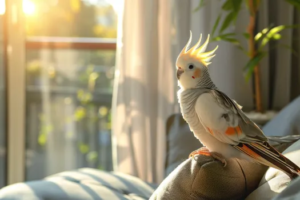
How to Feed a Newborn Parrot
Newly hatched parrots should be fed a fine, evenly textured parrot hand-feeding formula every 2-3 hours, with small portions to avoid digestion problems. Keep the brooder warm (28-32C), quiet, and clean, and watch closely for any sign of illness.
How can I tell if my cat is healthy from its sleeping posture?
Normal, healthy cats curl up with the face tucked to the belly (cold), lie on their side (hot), or lie belly-up (trusting). A 'hen-squat' posture, especially with belly discomfort, signals illness and needs a vet check.
What If Your Cat Eats Only Treat Sticks and Refuses Kibble?
A cat that eats only treat sticks (cat paste) and skips kibble risks nutritional imbalance, weak immunity, and obesity, since these snacks are low in complete nutrition and high in fat. Wean gradually: mix 30% treat stick into kibble days 1–3, 15% days 4–7, 5% days 8–10, then kibble alone. Add play and puzzle feeders to build appetite. If the refusal is sudden with lethargy or weight loss, see a vet for stomatitis or illness.