Search Results
902 results for “illness sign”
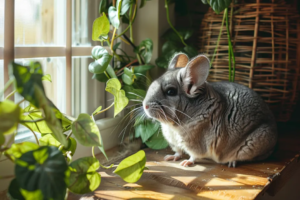
Symptoms of a Hamster Before It Dies of Old Age
Before dying of old age, a hamster typically shows lowered activity, poorer appetite, weight loss, lethargy, rough and messy coat, increased shedding, declining vision, and general weakness. Near death, physical changes include weakness, inability to stand, rapid breathing, fast heartbeat, and dropping body temperature. Most hamsters live only 1–2 years; to slow aging, provide a warm, comfortable home and balanced nutrition, and watch for changes daily.

Causes and Treatment of Koi Enteritis
Koi enteritis is usually caused by poor water quality, improper diet, or parasite infection. Affected fish show loss of appetite, slowed movement, isolation from the group, darkened or faded color, stringy feces, and a red, swollen vent. Take these signs seriously and treat promptly. Treatment depends on severity—mild cases are simple.
What does it mean when a dog wags its tail?
Tail wagging usually signals friendliness, shown toward familiar people or favorite food. The speed and size of the wag also reflect the dog's condition: healthy dogs wag vigorously and broadly, while sick or low dogs wag weakly and slowly. But do not judge illness by this alone.

What to Do When a Turtle Refuses Pellets
A turtle may refuse food from pickiness, a new environment, low water temperature, or illness. Fast it a few days then offer variety, let it settle in, warm the water, or treat disease; choose quality pellets by recipe, brand, price, and look.
What to Do If a Kitten Won’t Eat Cat Food?
A kitten refusing kibble may be due to low-quality food, stale kibble, or pickiness. Choose higher-quality food, keep it fresh, and let a picky eater skip a meal or two. If appetite loss is accompanied by other symptoms, see a vet promptly.

Why Does My Cat Stick Its Butt Up?
A cat raising its rear can mean many things: it may be stretching, winding up for an attack, seeking attention, in heat, overly full, or trying to ease belly pain. Frequent or painful-looking episodes deserve a vet check to rule out illness.
Why is my dog breathing rapidly?
Panting after exercise is normal since dogs cool themselves through the tongue. But rapid breathing at rest may mean poisoning or illness, especially with convulsions or vomiting — seek a vet. Pain or fear also cause it.

Why Does My Cat Bury Its Food?
Cats bury food from an instinct to cache surplus provisions, or because they lack appetite, dislike the taste, or object to a moved bowl. They may also bury the owner's strong-smelling food to mask the scent and hide their trail, just as wild ancestors did to evade predators.

How Can Dogs Identify Medicinal Herbs?
Dogs recognize herbs through a superb sense of smell, genetics, observation, and life experience. Scent receptors decode the volatile compounds in plants, and some dogs will even seek out specific herbs to self-medicate - an evolved instinct, though not every plant is safe.
Why is my dog’s nose dry, listless and always lying down?
Could be illness — many diseases show these signs first; if it lasts 2 to 3 days, see a vet. Or it's the weather: hot, stuffy days with low water intake cause this. Ventilate, cool and give more water to avoid heatstroke.