Search Results
189 results for “hereditary”
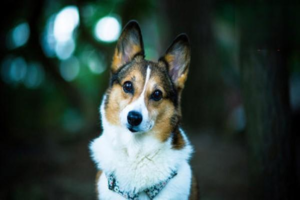
How to Tell If Your Dog Has an Eye Problem
Eye trouble shows as constant cloudy tears, hardened gunk, rubbing or bumping the eye, swollen or red lids, bulging (glaucoma), white clouding (cataracts), or entropion/ectropion. Clean with pet eye drops and wipes daily; correct lids and cornea with vet care. Flat-faced and loose-skinned breeds need extra caution.
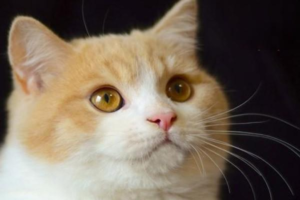
How to Choose a Cat Breed
A 'pedigree' cat is one shaped by planned crosses and recognized by a registry—largely a commercial matter. Common breeds: American Shorthair (sturdy, calm), British Shorthair (round face, sweet), Chinese Li Hua (independent, a great mouser), Siamese (vocal, clever), Persian (long-haired, gentle), Exotic (flat face, prone to breathing/eye issues), Norwegian Forest and Maine Coon (large, adventurous, not ideal strictly indoors), and Ragdoll. Match temperament and your home to the cat, and beware breeds with known genetic problems.

What Causes Glaucoma in Dogs?
Canine glaucoma comes in primary and secondary forms. Primary glaucoma is a hereditary drainage-angle defect that blocks fluid outflow and raises eye pressure; it is common in Huskies, Chow Chows, Poodles, Cocker Spaniels, Beagles, and Maltese, usually appearing at 4–9 years. Secondary glaucoma follows eye disease such as uveitis, pupil blockage, lens luxation, or tumors. Treatment aims to lower pressure and save vision—medication works best early, but surgery is often needed later. Because early signs are subtle, at-risk breeds should have annual eye-pressure checks.

Canine Hip Dysplasia: A ‘Destiny’ for Large Breeds?
Hip dysplasia is a hereditary joint fault where the ball and socket fit poorly, loosening the joint and eventually causing arthritis. Large breeds like Golden, Lab, and Shepherd are most at risk. Early signs are subtle—occasional hind-limb limping, slow rising, reluctance on stairs—while advanced cases show a swaying gait and muscle loss. X-rays and PennHIP confirm it; weight control, gentle exercise, joint supplements, and vet-guided pain care slow its course.
The ten downsides of owning a German Shepherd
Intimidating looks, city bans, high exercise needs, scavenging, short lifespan, heavy shedding, strong odor, drooling, hereditary issues, and possible aggression if untrained.

CoQ10 for Senior Cats with Heart Concerns: A Buying Checklist
The heart is the body's highest-energy organ and holds a large share of a cat's CoQ10, so as production falls with age or hereditary risk, supplementation can support heart-muscle energy and act as an antioxidant. This checklist explains why senior and high-risk cats are the ones most likely to benefit, the five points to verify before buying, and the safety limits every owner should respect.
Dog CoQ10 Buyer’s Guide: What Actually Makes a Product Work
CoQ10 supports heart-muscle energy and acts as an antioxidant, but a dog only benefits if the supplement actually contains a real, absorbable dose. With products ranging from a few dollars to several hundred and quality all over the map, the smart move is to judge a product by its label and testing — not by marketing or country of origin. This guide explains how to tell a working formula from an empty one and which dogs are most likely to need it.

CoQ10 for Cats and Dogs: Food Sources, Benefits, and Who Needs It
Coenzyme Q10 (CoQ10, or ubiquinone) is a fat-soluble compound that helps cells make energy and is concentrated in high-demand organs such as the heart, liver, and kidneys. Most healthy pets make enough on their own, but seniors, certain breeds, and pets with heart conditions may benefit from supplementation. This guide covers what CoQ10 does, which foods naturally contain it, which pets are most likely to need a supplement, and the key safety precautions to keep in mind.

CoQ10 for Pets: What It Is and How to Choose a Quality Supplement
Coenzyme Q10 (CoQ10) is a fat-soluble compound that helps cells produce energy, and it is concentrated in the heart, kidneys, liver, and brain. As cats and dogs age, their ability to make CoQ10 declines, which is why it is often discussed as a heart-support supplement. This guide explains what CoQ10 does, which pets are most likely to benefit, how to judge a supplement's real quality, and practical feeding tips — so you can make an informed choice instead of relying on marketing claims.
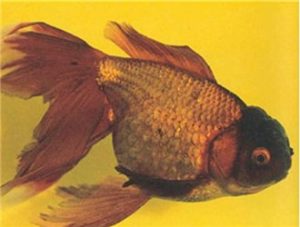
Brown Oranda with Curled Opercula
In goldfish, curled opercula is usually a disease sign, but the Brown Oranda with Curled Opercula has gill covers that grow everted from inside out like a wound - a hereditary variation.