Search Results
189 results for “hereditary”

Common Hereditary Diseases in Purebred Cats
Selective breeding has given us stunning purebred cats but also concentrated many hereditary diseases—from polycystic kidney disease and hypertrophic cardiomyopathy to the cartilage disorder behind folded ears. Knowing which conditions each breed is prone to helps owners catch problems early.
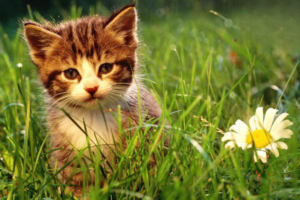
Scottish Fold Hereditary Diseases Explained
Scottish Folds look adorable and gentle, but beneath that cute exterior lies a hereditary bone disorder - even straight-eared folds are affected to some degree.
What is the Scottish Fold’s hereditary disease?
The main hereditary disease of Scottish Folds is osteochondrodysplasia, causing abnormal tail, ankle, and knee, with a short stiff tail, bent bones, swollen joints, deformed toes, thick hind pads, and odd nails. They may also get respiratory and heart disease, so manage them carefully.
What hereditary diseases do Labradors have?
Common Labrador hereditary issues are hip dysplasia, cataracts, and heart disease. Good nutrition, supplements, and regular checkups help reduce risk.
How long can a cat with hereditary hypertrophic cardiomyopathy live?
Lifespan is unpredictable, but with good care a cat with HCM can live about 10 years. Regular cardiac ultrasound helps catch changes early.
What Causes Pancreatitis in Dogs and Cats
Most canine and feline pancreatitis is idiopathic, but clear risk factors exist — breed predisposition, high-fat diets and hypertriglyceridemia in dogs, trauma, surgery, infections, and several drugs. The disease turns deadly when prematurely activated digestive enzymes trigger pancreatitis and then flood the body with cytokines, causing systemic complications.

Early Warning Signs That Your Dog Is Sick
Older dogs show sickness through behavior: unwillingness to walk or climb (arthritis, common in Goldens, Labs, Poodles), constant thirst with weight loss (diabetes, more common in females and breeds like Samoyeds and Pugs), frequent falling or bumping (failing vision, often cataracts), and low appetite with excess drinking, vomiting, and diarrhea (kidney disease). Senior dogs can also develop dementia, raising the stakes of losing them.

Neutering a Male Dog: Effects and Benefits
Neutering a male dog is worthwhile: it prevents age-related prostate enlargement (treated by cutting testosterone so the gland shrinks) and removes the cancer risk of undescended testicles, which are also hereditary. The common excuses — 'he won't breed,' 'he'll hold a grudge,' 'just keep him confined' — don't hold up, since intact males roam, fight, and act out from sexual frustration; neutering is no more 'unnatural' than keeping a pet at all.

Why Siamese Cats Have Kinked Tails
A kinked tail in a Siamese cat is a hereditary genetic trait, not an injury — affected cats also tend to have slightly crossed eyes. It does not affect the cat's growth or development, but inbred lines carry weaker immunity and need extra nutrition and care.
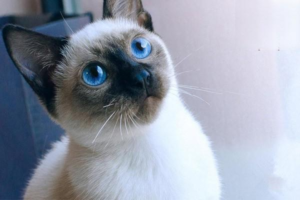
Why Is My Siamese Cat Losing Hair on Its Face?
Siamese cats naturally have sparser facial fur because of scent glands on the head, and some breeds lose a little hair genetically without cause for alarm. If you see redness, scabs, or scaling, though, it is likely a skin condition or parasites and needs a vet check.