Search Results
189 results for “hereditary”

Will a dog’s double row of teeth fall out on its own?
Usually no. It happens when adult teeth erupt but baby teeth stay (calcium deficiency or congenital, sometimes hereditary). It traps bacteria, causing stomatitis and tartar. After adulthood, extract the extras at a vet, or brush daily.
How do I know if my Scottish Fold cat is showing signs of its inherited bone disease?
Scottish Folds carry a hereditary bone disease called osteochondrodysplasia. When it strikes, the tail becomes stiff, hind-leg joints develop abnormally, leg bones bend and paw joints swell; in severe cases toes deform and claws will not retract. The front legs show milder similar signs, and affected cats cannot walk or jump normally, often sitting on their hindquarters like a human.
What are the symptoms of feline HCM (hypertrophic cardiomyopathy)?
Feline HCM has vague early signs; as it worsens, cats get sleepy, cough, lose appetite, and breathe fast; some develop pulmonary edema (severe breathlessness). It can be hereditary (Maine Coons ~100%, some American Shorthairs). Lifelong meds, low-sodium food, and limited activity are needed.
Which Scottish Fold coat color is the most expensive?
Silver shaded, bicolor, and calico Scottish Folds currently command the highest prices, sometimes tens of thousands. But price is mainly set by bloodline and conformation, not coat color. Note that all Scottish Folds carry a hereditary bone disease, so schedule regular vet checkups.
What to Know Before Keeping a Ragdoll Cat
Ragdolls are famous 'glass-stomach' cats that need careful diet and regular brushing, plus watch for inherited heart and kidney disease. Pick a high-protein, low-allergen food, brush three to five times a week, and keep up with vet checks to catch problems early.

Is the Shandong Lion Cat Easy to Keep?
The Shandong Lion Cat (Linqing) is a native Chinese breed with long fur and often odd-colored eyes. It's quiet, affectionate, and easygoing but sheds heavily and needs daily brushing plus hairball paste; odd-eyed white cats often have hearing loss on the blue side. Hardy, long-lived (12–15 years), and a great mouser, it suits experienced owners with a calm, roomy home.

Why a Schnauzer May Not Be the Right Dog for You
Schnauzers are clever, brave, and cheap to feed, but they are not as easy as they look: they bark when left alone or visited, they are smart yet stubborn, they have sensitive skin prone to allergies and infections, they carry hereditary risks like progressive retinal atrophy and intervertebral disc disease, and their long coats need regular grooming. New owners should think carefully.
Why Do Dogs Get Hip Dysplasia
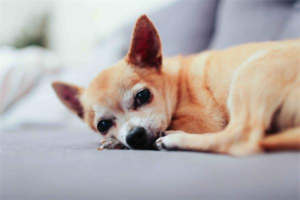
Hip dysplasia (CHD) is a hereditary mismatch between the femoral head and the hip socket, common in large breeds like German shepherds, rottweilers, huskies, labs, and goldens. Signs include lameness, reluctance to move, stiffness, and joint sensitivity, later muscle wasting. Manage conservatively (weight control, limited exercise, joint supplements, NSAIDs) or surgically.

What to Do About a Dog’s Herniated Disc
Intervertebral disc disease (IVDD) comes from injury, poor exercise, genetics, or lumbosacral abnormalities, and is common in dachshunds, chihuahuas, and corgis. Signs include reluctance to move, abnormal gait, and an arched back. See a vet promptly; treatment is medical or surgical.
Diet Tips to Support Joint Health in Scottish Fold Cats
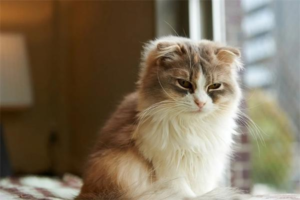
Scottish Fold cats carry a genetic cartilage disorder with no cure, so diet focuses on joint support: chondroitin and glucosamine to aid joint fluid, omega-3s to curb inflammation, vitamin D for bones, and balanced food with lean boiled meats. Keep salt low, calcium moderate, and weight controlled.