Search Results
3532 results for “gut”
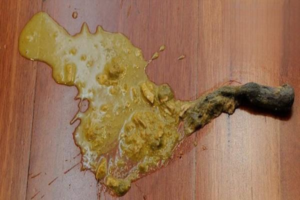
What a Cat Throwing Up a Hairball Looks Like
Cats swallow loose fur while grooming, and when it builds up it can form a hairball that mixes with food and irritates the stomach. Recognizing the early signs and keeping up with grooming and the right diet helps most cats avoid trouble. Persistent gagging or appetite loss means a vet visit.

Internal Parasites in Cats
Internal parasites are a common and potentially serious problem in cats, ranging from roundworms and hookworms to tapeworms and filarial worms. Left untreated, heavy infestations can stunt growth, cause anemia, and even prove fatal. Regular deworming is the most reliable way to keep them under control.

Sudden Bloody Stool in a Kitten: What Could It Be?
A kitten with blood in its stool may have swallowed something sharp, caught a gut disease, or picked up parasites. Because kittens decline fast, a vet visit to find the cause is the right first move.

Can a Dog with Distemper and Bloody Stool Survive?
Distemper with bloody stool is still treatable if caught early, and the clinic raises the odds sharply. The virus comes in gut, respiratory, skin, and nerve forms, with the nerve type hardest to beat, so speed and supportive care matter most.

Dog Vomits Yellow Bile, Won’t Eat, and Lies Down
Yellow, foamy, smelly vomit with lethargy usually points to a sensitive, overeating stomach, but it can also signal inflammation, hunger, a swallowed object, or virus. Match the cause to the fix and see a vet when it persists or worsens.

Bloody Diarrhea in Dogs: Is It Parvo?
Blood in the stool is alarming but has many causes beyond parvo, from a diet switch to gut injury, gastroenteritis, infection, or parasites. Rule out the simple ones first, and see a vet for severe or unexplained cases.

Common Parasites That Affect Dogs
Dog parasites split into internal, living in the gut, and external, on the skin. Roundworms, hookworms, heartworm, and tapeworms live inside; mange mites, ticks, and fleas live on the surface, and each brings its own risk.

Post-Surgery Recovery Care for Your Dog
After an operation a dog is fragile and needs careful nutrition, soft easy meals, and real rest. A recovery supplement, balanced food, and limited activity help the incision heal and the dog bounce back.

Why Your Dog Lost Its Appetite and Energy
A dog that stops eating and goes quiet may have a troubled stomach, parasites, an internal illness, or simply picky habits. Match the cause to the fix: adjust the diet, deworm on schedule, or see a vet when illness is the culprit.

Helping Your Dog Through a Safe Pregnancy
A pregnant dog needs extra calcium, quiet, gentle exercise, careful handling, and measured nutrition. Meeting these five needs helps the pups grow and keeps the mother steady through to a smooth delivery.