Search Results
3532 results for “gut”
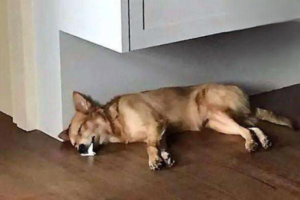
Dog Won’t Eat and Vomits White Foam or Mucus
When a dog refuses food and brings up white foam or clear mucus, the cause can range from simple overeating to a more serious problem. The dog's energy level is the quickest clue: a bright, active dog can be watched at home, while a dull or worsening one needs a vet.

What to Do When Your Dog Has Recurring Tummy Troubles
Many dogs have sensitive stomachs that react to food that is too hot or too cold, or meals that are too large or too small, leading to diarrhea, vomiting, or constipation. A daily probiotic can help rebalance gut bacteria and support digestion, but it works best alongside sensible feeding habits.

Why Your Dog’s Calcium Supplements Aren’t Working
Calcium fails to help when the body cannot absorb or convert it, often because of poor gut health or a one-sided diet. Fix digestion first with a probiotic if needed, ensure vitamin D and sunlight for absorption, and feed a balanced diet rather than relying on pills alone.

How Soon After Deworming Can a Kitten Be Vaccinated?
Deworming and vaccination shouldn't happen together — wait about two weeks. Vaccines need a healthy cat to build antibodies; doing both at once stresses the gut and can blunt the vaccine. Wait a week after a move, and only vaccinate from 8 weeks.

Kitten Has Diarrhea, Won’t Eat, and Is Lethargic
Diarrhea with no appetite and low energy in a kitten usually means a diet switch, gastritis, or worms. A probiotic and easy food help mild cases; severe ones need a fasting period and a vet. Find the cause before treating, and deworm every three months.

Why Your Cat Has Diarrhea After Deworming
Mild diarrhea after deworming is common — usually dead parasites irritating the gut or a sensitive stomach — and settles in 2–3 days. Keep the cat hydrated, add a probiotic, and see a vet if soft stool lasts beyond three days. Dose strictly by weight.

How Many Days Can a Cat Survive Without Eating?
A cat can last about a week without food; beyond that, weakness and organ failure set in, and the risk of fatal fatty liver rises sharply after three days. Boredom with food, sudden diet swaps, stress, or illness cause refusal — offer small frequent meals and vet care if sick.

Parasites on Stray Cats: What to Do
Strays, with weaker immunity, often carry both internal parasites (roundworms, coccidia, hookworms, toxoplasma) and external ones (fleas). Signs include diarrhea and fever; treat with combing, a flea shampoo, and broad-spectrum dewormers, then keep the coat dry and watch for post-treatment upset.

What to Do When a Puppy Won’t Eat
A healthy dog can skip food only so long; refusal usually means pickiness, illness, or gastritis. Fix it with set meal times, more exercise, and regular deworming — and see a vet if fever, vomiting, or diarrhea appear.

Dog Vomiting Yellow Foam and Not Eating
Yellow, foamy vomit with no appetite can come from a chill or gastroenteritis, and unchecked vomiting risks dehydration. Stop the vomiting, offer small sips of water during a 12-hour fast, and see a vet for gastroenteritis — treat a cold at home with rest and warmth.