Search Results
3532 results for “gut”

Cat Has Diarrhea but Plenty of Energy
A cat with diarrhea but normal energy worries many owners, yet it's often mild. Diet changes, gastritis, or parasites are the common triggers. A gradual food switch, a probiotic, and routine deworming usually settle it; see a vet if it doesn't improve.

Kitten Won’t Eat, Looks Lethargic, and Is Wasting Away
When a kitten refuses food, goes limp, and loses weight over three to five days, the gut is usually to blame. Hairballs, overeating, parasites, or gastritis are the usual suspects. A bland, scheduled diet and the right supplement typically bring the appetite back.
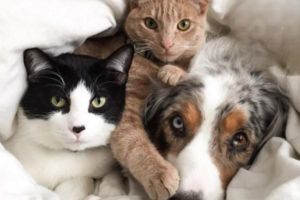
What to Do After Adopting a Cat or Dog
Adopting gives a stray a home and saves the cost of buying. Once you bring one home, the first steps are a full health check, deworming, good nutrition, and gut care, since strays arrive with unknown histories. Commit for life rather than on a whim.

How to Deworm a Cat With Parasites
Once a cat picks up parasites, it's a real problem because they can stunt growth and even kill. Roundworms, hookworms, filarial worms, and tapeworms each have their own signs. A proper internal and external deworming routine, timed around meals, clears them and keeps them away.
Why Your Cat Needs Deworming
Regular deworming is a basic safeguard for your cat's health, splitting into internal and external care on a three-month and one-month rhythm. Apply external drops where the cat can't lick, time internal tablets around meals, and follow with a probiotic to protect the gut.
Does a Kitten Really Need Deworming After Two Months
Regular deworming protects both cat and owner, with internal treatment every three months and external every month. Time the doses around meals, hold off during gut upset, and support the stomach with a probiotic afterward. Skip raw meat and unfamiliar foods right after treatment.
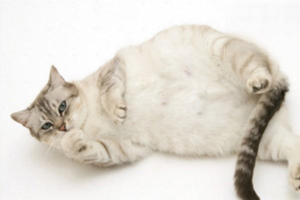
Helping Your Pregnant Cat Through a Safe Pregnancy
Many owners have never dealt with a pregnancy, so a pregnant cat can be puzzling. The essentials are steady calcium, a quiet space, gentle movement, careful handling, and balanced nutrition. Getting these right helps the queen and her kittens stay healthy.

Cat Suddenly Stopped Eating and Looks Lethargic
When a cat refuses food, loses energy, and wastes away for three to five days, the gut is usually involved. Hairballs, overeating, parasites, or gastritis are common culprits. A bland, scheduled diet and the right supplement often bring the appetite back.

How Dogs Catch Parvovirus
Canine parvovirus is a highly contagious gut disease of dogs, especially puppies, causing vomiting, diarrhea, dehydration, and sometimes death. It spreads through infected waste and saliva and survives in the environment for months. Vaccination and quick vet care are key.

Can Human Medicine Treat Dog Diarrhea
When a dog has diarrhea, it's tempting to reach for a human stomach remedy, but not all of them suit dogs. The right choice depends on the cause, whether it's simple gastritis, parasites, or stress. Match the treatment to the trigger and your dog's actual condition.