Search Results
3532 results for “gut”

Can Samoyeds Eat Rice?
Yes, but only in small amounts. Plain rice alone lacks the vitamins and minerals a Samoyed needs, and starchy food encourages tartar and gum disease. A balanced kibble is the best base, with plain boiled vegetables as an occasional add-in.

What to Do If Your Dog Suddenly Passes Blood
Blood in stool can mean hemorrhagic gastroenteritis, infectious enteritis like parvo, an internal cut from bones, or parasites. Because the causes are serious, get a vet's diagnosis before any treatment.

Autumn Care Tips for Your Cat
Autumn raises three risks for cats: skin trouble from dampness, hairballs during shedding, and weak coats from poor nutrition. Good ventilation, grooming, supplements, and extra water keep your cat healthy through the fall.

How to Lower Your Cat’s Risk of Gastroenteritis
Cat gastroenteritis brings vomiting, diarrhea, and lethargy, and the causing virus can linger in the environment for a year. Vaccination plus careful diet and hygiene is the strongest defense.

Should Your Dog Chew on Bones?
Chewing is a deep-rooted instinct that also helps clean teeth and satisfies a dog's need to gnaw. Bones supply a little calcium and keep a dog busy, but choose them carefully and avoid cooked bones that can splinter.

Cat Gastritis: Symptoms and Treatment
A cat's weak gut makes gastritis common, and it's uncomfortable for both cat and owner. Causes range from hard-to-digest grains and bones to spoiled food, with vomiting and diarrhea as the main signs. Short fasting, vet-directed medication, and clean feeding prevent it.
Five Foods You Should Never Feed Your Cat
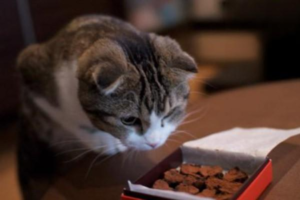
A cat's body handles food very differently from ours, so several everyday items are unsafe for them. Milk, chocolate, raw meat, and bones are the big ones, along with other common toxins. Knowing the list keeps your cat out of the emergency clinic.

What to Do When Your Cat Has Diarrhea
Cats get diarrhea from chills or bad diet, and a probiotic plus warmth often settles it. Parasites and stress are other common triggers, so deworm on schedule and ease environment changes. Frequent diarrhea with vomiting may mean gastritis or distemper and needs a vet.
Why Your Cat’s Diarrhea Is Yellow-Ochre
Yellow-ochre diarrhea can be as simple as gulping yellow kibble too fast, but it may also signal parasites, bacteria, poisoning, or feline distemper. If the cat is otherwise bright, digestion or stress is likely; if it's weak with fever, see a vet at once.

Cat Has Diarrhea After Kibble and Won’t Eat
A cat that eats, then gets diarrhea and loses its appetite has a fragile gut acting up. Gastritis, a sudden food change, or parasites are the usual causes. A probiotic, a gradual food switch, and routine deworming usually fix it; see a vet if it lingers.