Search Results
3532 results for “gut”

How to Quickly Relieve Dog Indigestion (Food Bloat)
Dog indigestion, or food bloat, is a common digestive problem that can bring vomiting, diarrhea, and lost appetite. A pet probiotic aids digestion and nutrient uptake, while small frequent meals prevent overeating. Avoid greasy, spicy, or hard foods and too much meat; choose light, easy-to-digest meals. Gently massage the abdomen to help movement and ease bloating. If severe bloat brings abdominal swelling, vomiting, breathing trouble, or diarrhea, seek veterinary care at once, as it can lead to gastroenteritis.

Can You Give a Dog Smectite Powder for Diarrhea?
Smectite is an absorbent anti-diarrheal that soaks up excess water and toxins in the gut, and a vet-formulated version can help a dog with ongoing diarrhea from dietary upset by firming the stool. Use the correct animal product and dose, since wrong amounts risk side effects, and check with a vet first. Other options include bismuth subcarbonate, kaolin, or probiotics. Diarrhea also comes from diet changes, bacterial or viral infection, or parasites, each needing its own approach, so a fecal test and veterinary guidance are best before medicating.

What to Do When Your Cat Loses Appetite in Summer
Hot weather can drop a cat's appetite, and so can warm or dry food, illness, parasites, moving, or household stress. Keep the environment cool and shaded, offer light wet food rather than hot meals, and place several water bowls around the home so a dehydrated cat can drink anytime. Gentle play and a clean living space help, as does adding a pet probiotic to the food. Favorite toppers like canned food, freeze-dried meat, or chicken can renew interest. If appetite stays poor, have a vet rule out disease or worms.

What to Do When Your Dog Loses Appetite in Summer
Summer heat can lower a dog's appetite, as can a repetitive diet, parasites, or illness such as gastritis, distemper, mouth ulcers, or fever. Offer light, easy-to-digest food like wet food, vegetables, fruit, and bone broth in small frequent meals, and always keep fresh water available since heat drains fluids fast. Add variety with cooked egg, chicken, or fish, but skip human leftovers to avoid excess salt, oil, and additives. Keep bowls clean to prevent spoilage, encourage gentle exercise, and add probiotics to support gut health. If appetite stays poor or other symptoms appear, see a vet.

Why Your Cat Keeps Getting Thinner
A cat that keeps losing weight can signal parasites, poor diet, stress, aging, or underlying disease. Worms such as roundworms and tapeworms steal nutrients; stale or unappealing food lowers appetite; household changes or an owner's absence cause stress; and digestive, liver, or kidney disease blocks normal nutrient uptake. Older cats naturally eat less as metabolism slows. Have a vet identify the cause, then offer high-protein, high-fat food in small frequent meals, add supplements, and keep a regular deworming schedule to help your cat regain condition safely.

How to Tell If Your Dog Has Canine Distemper
Canine distemper is a highly contagious, often fatal viral disease. Watch for fever around 40°C or higher, cough, runny nose, vomiting, diarrhea, lethargy, and red swollen eyes. These signs overlap with a common cold, but distemper brings higher fever, lost appetite, cough, eye discharge, and labored breathing, while a cold usually does not. If you suspect distemper, isolate the dog at once and see a vet; treatment uses antivirals, antibiotics, and nutritional support, and early care greatly improves the odds. Vaccination remains the best prevention.

What to Do When Your Chinchilla Has Gas and Bloating
Chinchilla bloating usually comes from eating too much or too fast, poor nutrition, or digestive disease. When it happens, stop feeding briefly to ease the gut, and avoid large single meals going forward. Raise the hay ratio in the diet to add fiber and support gut movement, and gently massage the abdomen from left to right and top to bottom to help expel gas. If bloating is severe or recurring, add a pet probiotic to balance the gut flora and aid digestion. Keep the cage clean, control portions, and provide space to exercise so gas problems are less likely to return.
What should I do if my puppy won’t eat or drink and just wants to lie down?
A puppy that won't eat or drink and only wants to lie down may be too hot, unwell, or in a bad mood - observe to find out. If it's heat, cool it with a fan or AC and offer a little fruit and probiotics; if it's unwell (gut upset or fever), see a vet; if it's mood, take it out to walk and play and its appetite should return.
How should I feed a kitten from 2 to 6 months old?
From 2 months (just weaned, immature gut) feed warm-water-softened kitten kibble plus a little goat-milk powder, in 4-5 small meals daily. At 2 months you can deworm and vaccinate, but separately - deworm first, watch a week, then vaccinate. By 3 months wean fully onto dry kibble (about 4 meals/day, occasional freeze-dried or canned treats); at 4-5 months they teethe and chew everything, so provide teething snacks and toys to save your sofa and curtains.
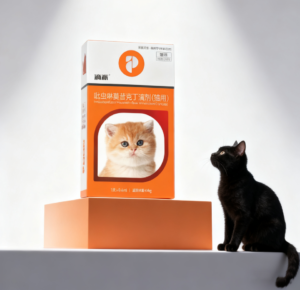
Cat Dewormers Compared: How to Choose the Right One
More than half of household cats are estimated to carry at least one parasite at some point, with fleas, roundworms, and heartworm among the most common. Regular, science-based deworming can sharply lower that risk and protect both cat and owner. This guide compares the main types of cat dewormers by their active ingredients and explains how to match a product to your cat's age, lifestyle, and parasite exposure, so you can build a safe, sustainable routine without relying on brand hype.