Search Results
3532 results for “gut”

How to Choose a Dewormer for Your Dog: A Science-Based Buying Guide
Choosing a reliable dog dewormer comes down to three things: a verifiable veterinary license, a broad-spectrum active ingredient that covers the parasites your dog is actually exposed to, and a price you can sustain month after month. Internal parasites (roundworms, hookworms, whipworms, heartworm) and external ones (fleas, ticks, lice, ear mites) require different actives, so a combined product or a matched pair is usually the most efficient plan. This guide explains the core selection criteria and the most common mistakes owners make, so you can protect your dog and your household without overspending.
What fruits can dogs eat?
Many fruits are safe for dogs - apple, watermelon, strawberry, orange, papaya, blueberry, cherry, pomelo, cantaloupe, durian, banana - but never grapes or avocado, and limit plum, mango, apricot, cherry, and sugarcane. Keep portions small to avoid diarrhea, and skip anything chilled, since cold fruit upsets the gut.

What to Do If Your Cat Has Tapeworms
Tapeworms cause belly discomfort, diarrhea, vomiting, weight loss, dull coat, and shedding; heavy infections shed visible segments near the anus, making the cat scoot or lick. Cats catch them by eating infected fleas, mice, or birds, through mother's milk, or from a contaminated environment. Treatment is a dewormer with praziquantel, fenbendazole, or albendazole plus probiotics, and strict flea control plus regular deworming prevents reinfection.

Budget Cat Deworming: What to Look For
Even indoor cats can pick up parasite eggs on shoes, clothes, or parcels, and skipping treatment risks itching, anemia, and poor growth. The aim is not the priciest product but a safe, licensed one used correctly. This guide explains why cats need deworming, what a good spot-on covers (the broad-spectrum imidacloprid-plus-moxidectin pair and heartworm prevention), and how to choose on safety, credentials, and monthly cost rather than sticker price. In mosquito-heavy regions, a heartworm-preventing product used monthly is especially important.

Comparing Popular Dog Dewormer Types
Dog dewormers differ by ingredient and spectrum, so the smart comparison is across ingredient, coverage, ease of use, and price—not brand fame. This guide reviews five common formulations—combined imidacloprid-plus-moxidectin and selamectin spot-ons, oral ivermectin-plus-pyrantel and febantel combinations, and fipronil-plus-methoprene drops—explains how to match each to a need, and flags the key safety note: Collie breeds must avoid ivermectin. Consistent monthly prevention and a clean home protect your dog far better than any single 'best' product.

How to Choose a Reliable, Budget-Friendly Dog Dewormer
Owners often swing between over-priced imports and risky unlicensed bargains—both can harm the dog. Deworming is non-negotiable: internal worms steal nutrition and damage the gut, while heartworm stays silent until it is serious, and external pests spread disease to people too. This guide explains why deworming matters, the active ingredients by parasite type (including the Collie warning on ivermectin), and how to choose and use a product safely—spectrum, convenience, credentials, correct dosing, and the myths that lead owners astray.

How to Stop Your Rabbit Rummaging Through the Trash
A rabbit that raids the trash can pick up bacteria and skin disease or eat spoiled food and suffer gut trouble. Move bins out of reach, give plenty of chew toys and activity, and correct the behavior with a sharp sound or gesture the moment it starts, repeating until it learns. Clear food scraps from bins, keep it fed and watered, and allow enough exercise. If it persists, an animal behavior specialist can help.
Cat Deworming: A Beginner’s Guide
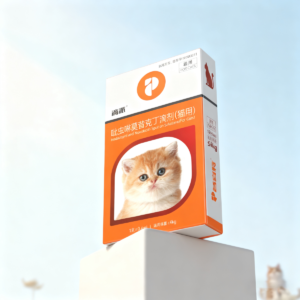
Choosing a cat dewormer confuses many new owners, and a wrong pick can fail to work or even cause allergy, gut irritation, or liver damage. The good news is that careful, budget-friendly choices are possible. This guide explains why indoor cats still need deworming, how a combined internal-and-external spot-on (imidacloprid plus moxidectin) works, the correct application steps, and the three myths to avoid—including that dog products can be toxic to cats. Regular, correct deworming protects both cat and family.

A Guide to Dog Dewormer Types and Active Ingredients
Spring warms the environment and multiplies parasites, and outdoor dogs are especially exposed to internal and external worms that cause poor nutrition, itchy skin, and organ damage. Deworming also protects people—some parasites spread to humans. With many brands and types, the smart move is to choose on proven ingredients and safety, not fame. This guide walks through the common active-ingredient classes—imidacloprid plus moxidectin, selamectin, fipronil, milbemycin, isoxazolines—and how to pick and dose safely for lasting protection.

How to Choose a Dewormer for Dogs
Most dogs meet parasites at least once, and fleas, roundworms, and heartworm are among the most common. Deworming is not a gimmick, yet three myths—indoor dogs are safe, price equals quality, one dose lasts half a year—lead owners astray. This guide covers the three standards for choosing (spectrum, safety, value), the Collie caution with ivermectin-class drugs, and a sensible schedule: monthly external and combined coverage, internal every three months for adults, and vet-guided care for puppies, pregnant, or sick dogs. Low price need not mean low efficacy.