Search Results
3532 results for “gut”

Dog Passed No Worms After Dewormer—Did It Fail?
Not seeing worms in the stool after a dewormer doesn't mean it didn't work. Modern dewormers break down parasites inside the gut so they're absorbed or passed invisibly, and many infections are simply too light—or involve microscopic protozoa—to ever show. Visible worms usually mean a heavy prior infection. The real proof is your dog's condition and a fecal exam, not what you see in the tray.
How to Prevent Pica in Rabbits
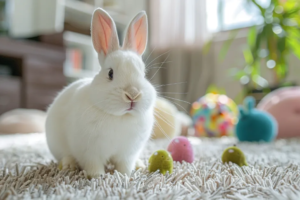
Pica is when a rabbit eats non-food items like fabric, plastic, paper or wires, often from unbalanced fiber, lack of chew material, stress, boredom or loneliness, or an underlying problem such as overgrown teeth or gut parasites. Prevent it with plenty of hay and fresh vegetables, clean bowls, safe chew toys, tunnels and climbing spots, and regular social contact and affection. If diarrhea, constipation or vomiting appears, see a vet, since digestive disease can drive the behavior.
How to Boost Your Dog’s Immunity
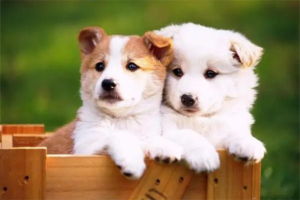
Strong immunity is the core of a healthy dog, and it drops with poor nutrition, no exercise, stress, environment change and parasites. Lift it with probiotics during stressful moves, daily exercise of about two 30-minute sessions, routine vaccination and deworming, regular play and attention for mental health, and a balanced natural diet instead of salty human food. Owners often forget a dog needs companionship, not just freedom from illness.

What Happens When a Cat Lacks Vitamin C
Long-term lack of vitamin C gives a cat scurvy: low spirit, poor appetite, anemia, weight loss and easy bleeding or skin inflammation. As it worsens, gums swell and bleed, wounds heal poorly, and in severe cases cheeks and tongue ulcerate or die back, with joint pain and bleeding in the bladder, gut, kidney or nose. Treat with oral or injected vitamin C plus symptomatic care, and prevent it with a balanced, complete diet, since processing destroys much of the vitamin in food.

Why Do Rabbits Eat Their Own Droppings?
It is normal and harmless for a rabbit to eat its droppings. Rabbits pass hard pellets by day and soft, nutrient-rich cecotropes at night, and eating the soft ones recycles undigested fibre and nutrients, much of it from hay they could not fully break down the first time. The extra fibre also helps prevent diarrhea. Owners need not worry, though sudden diarrhea still calls for better diet, warmth and calm to avoid stress.

Why Does Dog Poop Start Dry Then Turn Loose?
When a dog's stool is dry at the start and loose at the end, it means the gut absorbed water unevenly: the first part sat long and dried out, while the last part moved through too fast to dry. Common, mild causes are diet change, holding stool too long, stress, or gut-flora imbalance. Persistent cases or those with blood, vomiting, or pain can signal megacolon, colitis, or other illness and need a vet.

Is It Normal for Cat Poop to Come in Segments?
Segmented-looking cat poop isn't automatically a problem. If the stool is basically a continuous log with a few cracks and your cat acts normal, it's usually just how the colon forms stool. But hard, stone-like lumps, blood or mucus, straining, or no bowel movement signal early constipation. Boosting water, adding wet food, and daily brushing for hairballs are the first steps; see a vet if it doesn't improve.

Can Dog Kidney Failure Be Cured? The Honest Answer
Dog kidney failure splits into two very different pictures. Acute failure—from toxins, severe infection, or a blockage—can often be reversed if treated within about 72 hours. Chronic failure, common in older dogs, is irreversible because most function is already lost before signs appear; the goal then is to slow it down and protect quality of life. Both need a veterinarian's plan, not guesswork.

How Often Should You Rotate Your Cat’s Food?
Healthy adult cats do well rotating their main food every 4–6 months, with toppers or treats of different flavors every 1–2 months for variety. Kittens in their first year, seniors over seven, and cats with sensitive stomachs or illness should change far less often. The goal is to spread risk and avoid long-term gaps or buildup of specific nutrients—done with a slow 7-day transition.

How Is Dog Intestinal Obstruction Treated?
Intestinal obstruction splits into complete and partial forms; complete blockage is more dangerous, risking gut death, perforation, and shock, while partial cases start mild but can become complete if ignored, so treat early either way. Diagnosis uses abdominal X-ray or ultrasound to see gas, fluid, and the object. Treatment usually means surgery to remove the blockage, with partial or stable cases sometimes starting on fluids and support first; tumors or severe damage may require removing part of the bowel. Most dogs recover with prompt care, but delay can be fatal.