Search Results
3532 results for “gut”
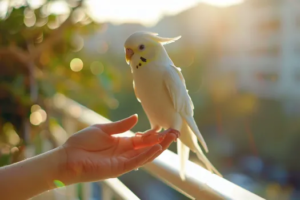
Why Your Budgerigar Has Recurring Diarrhea
Recurring diarrhea in budgerigars comes from poor diet, stress, parasite or bacterial infection, or chills. Long transport, fright, or a sudden move stresses the bird and upsetts its gut, usually easing as it settles; probiotics and calming help. Sudden feed changes, overeating, or spoiled food also trigger loose droppings. Parasites, bacteria, or a cold from low temperatures need a vet. A simple home mix of oxytetracycline powder and probiotics can settle mild cases.

Red-Eared Slider Shedding but Not Eating: What to Do
A red-eared slider that sheds but stops eating may simply be reacting to the molt, or it may signal a problem with temperature, water quality, or health. First check that the habitat is right, then adjust water temperature and change water regularly. Offer varied foods like fish, lean pork, shrimp, and snails to tempt appetite, and use a dangled-food trick if it will not bite. If the fast drags on or other symptoms appear, consult a veterinarian.
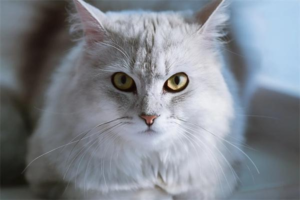
Why Your Cat Eats But Stays Thin
A cat that eats plenty yet stays thin can point to a weak digestive system, high activity, picky eating, illness, or genetics. If the cat is not naturally slender but eats well without gaining weight, a vet check is wise to rule out problems and adjust diet. Some cats are simply born lean and stay healthy that way, which is no cause for worry. Either way, forcing extra weight is unhealthy.

Dog Food Bloat: Symptoms and What to Do
Food bloat is a digestive backup where swallowed food cannot pass normally, causing vomiting, refusal to eat, and a swollen belly. It often follows fast or excessive eating, indigestible food, or swallowed objects. Mild cases may improve with pet probiotics, gentle abdominal massage, and rest. Severe bloat with pain or persistent vomiting needs urgent veterinary care, sometimes surgery. Preventing overeating and using slow-feeders is the best defense.
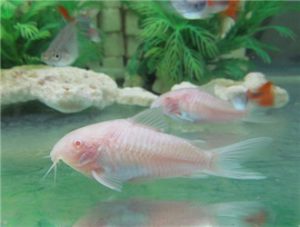
White Corydoras
The White Corydoras is native to South American waters and is now mostly captive-bred. An albino form of the Bronze Cory, it has a milky white body with clear red eyes, is gentle, and is kept in schools. Egg-laying and good with small fish, it suits planted tanks as a bottom fish.

Chinese Paddlefish
The Chinese Paddlefish (Bai sturgeon) is the largest freshwater fish in China. Its very long, elephant-trunk-like snout gives it the common name 'Elephant-nose Fish'. It is a large, fierce fish mainly in the middle and lower Yangtze, also surviving in brackish estuaries and occasionally entering large lakes; it is a semi-anadromous migrant.

Siamese Tiger Fish
In its native Thailand, the Siamese Tiger Fish is a food fish and a rather prized one. Thanks to its distinctive shape and striking pattern, it has become a very popular ornamental fish in recent years. Most specimens seen in the domestic aquarium market reach China via Singapore from Thailand.

Six-Banded Distichodus
The Six-Banded Distichodus (Distichodus sexfasciatus) is a Congo native named for its six black bands, though its 'short nose' is only relative to the long-nosed distichodus. Its body edge shows blue fluorescence under light. It reaches 30 cm, is robust but short-tempered, and needs a large tank.

Red Goose-Head Goldfish with Narial Bouquets
The Red Goose-Head Goldfish with Narial Bouquets is a recently developed goldfish variety with a red body and a head growth limited to the top, plus nasal pom-poms. The red-pompom form is especially popular. Eurythermal and easy to keep, it tolerates 0-38°C but not sudden temperature swings.

Mottled Dwarf Cichlid
The Mottled Dwarf Cichlid (Apistogramma guttata), also called the Giefere Dwarf Cichlid, is a slender South American dwarf cichlid from the Orinoco basin. It needs soft, acidic water and is prone to gill diseases, so tank cleanliness is essential.