Search Results
3532 results for “gut”
Why Dogs Drink Less in Cold Weather (and Why It Matters)
As temperatures drop, many dogs drink far less, but winter dehydration is no minor issue — it can concentrate urine, form mineral crystals, and lead to urinary tract infections, stones, or even blockages. Low water also slows digestion and causes constipation, strains the kidneys, and thickens the blood, burdening the heart. A healthy adult dog needs 40–60 ml of water per kg daily, and no less than 30 ml/kg in winter. To encourage drinking, offer warm water (28–40°C), add a splash of something tasty like broth, place bowls around the home, use a flowing fountain, and boost activity on sunny days so your dog drinks after exercise.
Can rabbits eat rice?
No. Rabbits are herbivores whose staple is pellets or hay; rice starch overloads the gut and causes bloating, vomiting or diarrhea. Keep rice out of their diet.

Can hamsters eat apples?
Yes, in small amounts - apples add vitamins and aid digestion, but over 1/8 slice risks diarrhea. High sugar means don't overfeed, and always remove the seeds (cyanide).
Choosing the Best Dog Food for Senior Dogs (Age 7+)
Once a dog turns seven, its metabolism slows, digestion weakens, and organs such as the kidneys, heart, and liver begin to decline — so the right senior dog food matters more than ever. Look for a formula with at least 25% crude protein (30%+ is better), fat held between 8% and 15%, fiber under 9%, starch no higher than 32%, salt under 2%, and a calcium-to-phosphorus ratio of 1:1 to 2:1. Bonus nutrients like glucosamine, fish oil, and probiotics support aging joints, brains, and guts. Prefer wet food for dogs with poor teeth, transition gradually over seven days, and feed smaller meals. For dogs with heart, kidney, or diabetic conditions, a vet-guided prescription diet is safest.
What medicine should I give a cat that vomits white foam?
White-foam vomit can signal spoiled food, a foreign object, hairballs or gastroenteritis. Medication is usually not advised until the cause is known, since a vomiting cat will just throw the medicine back up.

Is It Normal for Cats to Swallow Kibble Without Chewing?
Cats that gulp down kibble without chewing are usually behaving perfectly normally, and it generally does not harm their digestion. This fast-eating habit is inherited from wild ancestors who swallowed prey whole to avoid losing it to rivals, while a cat's sharp, offset molars are built for tearing rather than grinding food the way human teeth do. Most modern kibble is formulated to be easily digestible, so whole swallowing is rarely a problem. However, a sudden shift to non-chewing, signs of mouth pain while eating, or undigested kibble appearing in the stool or vomit can signal dental disease or poor digestion. Choosing appropriately sized kibble, using a slow-feeder bowl, and offering chewy treats such as freeze-dried meat can encourage healthier eating. Keep an eye on your cat's habits and consult a vet if anything changes.
Cat Food Ingredients to Avoid, No Matter How Cheap
Not all cat food is created equal, and the ingredient list is the single most reliable way to judge quality. Some products hide preservatives, flavor enhancers, and fillers that can harm your cat over time — from potential carcinogens like BHA, BHT, ethoxyquin, and TBHQ to appetite stimulants such as MSG and pyrophosphate. Other risky additives include propylene glycol, nitrites, synthetic vitamin K3, and thickening gums, while artificial colors and sweeteners add sugar and nothing of value. Because cats are obligate carnivores, diets overloaded with corn, wheat, or soy not only lack nutrition but may trigger allergies and even aflatoxin exposure. Learning to read the label helps you protect your cat from low-grade food, no matter how attractive the price.

How to Feed a One-and-a-Half-Month-Old Chinchilla
A chinchilla at six weeks is weaned and ready to come home, but it is still fragile and needs careful feeding. Base the diet on hay and chinchilla pellets, with alfalfa hay as the young staple and the occasional timothy hay to ease the gut, and avoid treats before eight months. Feed small amounts several times a day, always provide fresh water via a bottle, keep the cage dry and clean, and give a multi-level cage with a wheel and regular free time.

How to Tell a Budgerigar’s Age
You can estimate a budgerigar's age from a few clues, though none are exact. Younger birds have paler feather color, clear black pupils, soft skin around the beak, and are lively and active, while older birds show deeper color, cloudier pale pupils, dry beak skin, and a calmer, stiller manner. Adjust care by life stage: chicks need warm, frequent feeding, fledglings need flight exercise and varied food, and adults need balanced diet and regular veterinary checks.
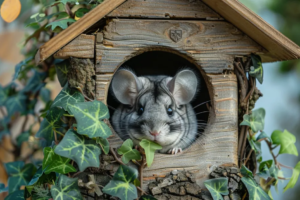
Why Is My Hamster Limp and Weak?
A hamster that feels limp and weak can have many causes, and the symptom alone is hard to pin down. Common reasons include a poor environment, low blood sugar, malnutrition, digestive trouble, or infection such as respiratory disease, liver problems, or diabetes. Offer rich nutrition and a warm, clean, well-ventilated home with room to move, and if weakness continues or comes with vomiting, diarrhea, discharge, or temperature change, take the hamster to a veterinarian.