Search Results
3532 results for “gut”
Dog Gastroenteritis with Bloody Stool: A Recovery Case
A 5-year-old dog passed soft stool with a little blood at the end for nearly a week, yet kept a good appetite and energy—pointing to chronic enteritis or gut overload rather than a severe acute illness. With gut-protecting, antibiotic, and probiotic support plus a bland diet, the stool normalized within a day. The case shows how diet and the right care heal a fragile gut.
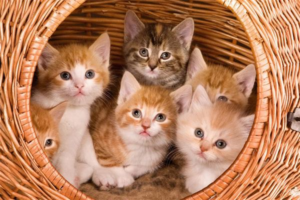
Can Cats Eat Spicy Food?
Cats should never eat spicy food. Although they may curiously sniff your plate, capsaicin, the compound that makes food hot, acts on a cat's nasal and oral membranes as a painful irritant rather than a flavor. When exposed, cats feel burning and pain, often drooling, tearing up, or sneezing, and the spice irritates their stomach lining, which can lead to vomiting, diarrhea, and dehydration. Cats are obligate carnivores with digestive systems very different from ours, and they gain no benefit from chili or strong seasonings. If your cat licks a small amount, watch closely and offer water or kitten-milk formula to soothe the gut; for clear distress such as vomiting, diarrhea, or refusing food, give pet probiotics and see a vet promptly. To keep your cat safe and healthy, stick to proper cat food and a balanced diet, and never share spicy human meals.

Can Dogs Eat Ice Cream?
Dogs can technically eat a tiny bit of plain ice cream, but it's rarely a good idea. Most adult dogs are lactose intolerant, so the milk sugar ferments in the gut and causes diarrhea and vomiting; the cold shock also cramps the stomach. Ice cream is also high in sugar and fat, and any variety containing xylitol, chocolate, cocoa, or grapes is toxic. If your dog loves frozen treats, offer a homemade mix of unsweetened yogurt with pumpkin or banana, or a pet-store dog ice cream—in strict moderation, once or twice a week at most.

Why Is Your Cat Vomiting White Foam?
White foam vomiting in cats has many causes—food intolerance, digestive upset, hairballs, and gastrointestinal disease among them. Take it seriously and find the trigger. Prevention includes regular brushing, avoiding spoiled or hard-to-digest food, and routine deworming. If it's food-related, pause feeding then switch foods; for digestion, offer easily digestible food; for hairballs, give hairball remedies and brush often; if a health problem is behind it, see a vet rather than dosing blindly.

Why Do Koi Get Enteritis?
Koi enteritis has many triggers: poor water quality, temperatures that are too high or low, malnutrition, dirty food, and viral or parasitic infection. Good pond management is the first line of defense—keep water clean and the temperature stable, feed a varied, hygienic diet, and test the water and control disease regularly. If a koi does develop enteritis, act fast: fix the water, use antibiotics or anti-inflammatory drugs as a vet advises, and adjust the diet to support recovery.

Why Are Overweight Cats Prone to Pancreatitis?
Chubby cats may look adorable, but excess weight quietly raises the risk of pancreatitis, a painful and serious inflammation of the pancreas. The pancreas secretes enzymes that digest fat, protein, and carbohydrates, but it is a sensitive organ that becomes inflamed when overworked. Overweight cats usually take in too much energy and fat, forcing the pancreas to produce extra digestive juice and overloading it. Obesity also disrupts cholesterol and fat metabolism, adding further pressure. Many heavy cats also eat large amounts of high-fat, high-calorie food, which expands the gut and stresses the pancreas even more. Age, genetics, and certain diseases add to the risk, so while obesity is not the only cause, it is a major one. Keeping your cat at a healthy weight through balanced, low-fat food and regular play is the best defense.

What to Do When Your Guinea Pig Has Digestive Issues
Guinea pigs have delicate digestive systems, so diet mistakes easily lead to indigestion marked by reduced appetite, weight loss, diarrhea or constipation, bloating, and sometimes vomiting. When symptoms appear, the first step is to adjust the diet: feed a balanced mix, avoid overfeeding hard-to-digest foods like excessive vegetables and fruit, and keep everything fresh. Daily exercise for one to two hours supports gut movement, while a stable, low-stress home environment protects digestion. Adding pet probiotics or prebiotics helps rebalance the gut flora and restore normal function. If symptoms persist, a veterinary visit is essential to rule out gastritis, parasites, or infection. With attentive diet and care, most guinea pigs recover comfortably.

What to Feed a Cat with Poor Liver Function (and What to Avoid)
When a cat's liver is struggling, feed low-burden, high-nutrition food: lean, low-copper proteins (chicken or duck breast), omega-3-rich fish (salmon, cod, sardine), and vitamin-packed vegetables (broccoli, carrot, spinach, pumpkin, blueberry) that aid cell repair. Veterinary liver-prescription diets and a milk-thistle or moringa liver supplement add targeted support. Avoid copper-heavy foods (organ meat, shellfish), high-fat and fried items, sugary or salty treats, and fatty snack packets. Feed small, frequent meals, keep water available, and transition foods gradually. Diet alone is supportive—pair it with a vet's diagnosis and treatment plan.

Why Does Your Cat Eat but Stay Thin? (Worms and More)
A cat that eats well but stays thin is often fighting intestinal parasites—roundworms, tapeworms, hookworms, giardia, or coccidia—that steal nutrients and release toxins interfering with digestion, causing slow or lost weight, anemia, and poor growth. Tell-tale signs include soft stools, rice-like segments near the anus, scooting, pale gums, and a swollen belly. But worms are not the only cause: poor absorption, hyperthyroidism or diabetes, repeated heat cycles, or a low-protein diet can also keep a cat lean. The fix is a tailored deworming plan plus gut probiotics and high-protein meals; spaying helps if heat is the driver. See a vet if weight keeps dropping.

How Does Tracheal Stenosis Affect a Dog?
Tracheal stenosis is a common airway problem, especially in small breeds. The narrowed windpipe blocks airflow, causing labored breathing and exercise limits, and can lead to complications such as voice loss and respiratory infection, plus poor appetite, swallowing trouble, and weight loss. Mild cases are managed with airway-relaxing medication; severe ones need reconstructive surgery. Keep the air calm and avoid strenuous activity, and learn canine CPR for emergencies.