Search Results
3532 results for “gut”

Why Is My Rabbit Constipated?
Rabbit constipation has many triggers: poor diet, too little exercise, not enough water, or an underlying illness. Rabbits are herbivores whose staple is grass, rich in the fiber their gut needs; a low-fiber or dry, hard diet—plus too much sugar or fat—stalls digestion. Without exercise, gut movement slows; without water, stools dry out. Persistent constipation can also signal blockages, parasites, or other disease, so see a vet if it keeps up. Fix it with more fiber (grass, vegetables), regular exercise and outdoor time, and constant fresh water—and ask a vet if it lingers.

What Are the Symptoms of Coccidiosis in Guinea Pigs?
Coccidiosis in guinea pigs starts quietly—low energy, poor appetite, and weight loss—then progresses to diarrhea with blood or mucus as the parasites steal nutrients and damage the gut lining. Left alone it leads to malnutrition, low blood sugar (weakness, wobbliness, collapse), and can end in shock or death. Some pigs show nervous signs like tremors or a tilted head, fever, and clear digestive distress. Diagnosis is confirmed by finding oocysts under a microscope; treatment uses anticoccidial drugs (sulfonamides, quinolones) at the vet's dose, plus fluids and electrolytes for support. Prevention is clean housing, disinfection, balanced feed, and good parasite control—so see a vet early rather than waiting.
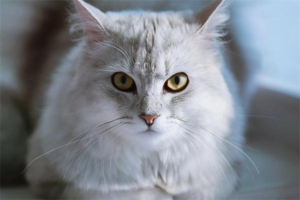
What Causes Watery Stool in Cats?
Watery stool in cats can stem from diet, digestion, or disease, and the fix depends on the cause. Drinking too much water or eating very moist food can loosen stools, as can irregular, all-you-can-eat feeding that upsets a sensitive gut—here, pet probiotics help restore balance. Parasites and viruses are more serious: worms in the stool signal a parasite infection needing deworming, while an unvaccinated cat with watery diarrhea may have a dangerous viral infection and needs a vet fast. If diarrhea lasts or comes with other symptoms, see a clinic. Prevent it with measured feeding, regular deworming and vaccines, and a clean, disinfected home.

What to Do When Your Guinea Pig Has Diarrhea
Diarrhea in guinea pigs is common but can turn dangerous fast, leading to dehydration and even death if ignored. Causes range from too much watery produce, spoiled food, gut parasites such as coccidia, to stress. For mild cases, rehydrate with oral electrolyte solution and review the diet; for severe or ongoing diarrhea, a veterinarian should guide antibiotics and binders such as smectite or kaolin, with B vitamins and yeast to support the gut lining. Watch for three to five days, and if it persists, see a vet.

How to Tell Good from Bad Bird Feed?
Choosing the best food for a pet bird matters, but the market is crowded with options of wildly varying quality. Good bird feed delivers complete, balanced nutrition—protein, carbohydrates, fats, vitamins, and minerals—made from high-quality raw materials with no harmful additives. It should also feel fresh, smell clean, stay dry, and come from a reputable, certified manufacturer with positive user reviews. You can even judge feed by your bird's droppings: firm, well-formed, slightly glossy stools mean the diet is being digested well. Finally, keep feed dry and out of direct sunlight, and feed the recommended amount to prevent spoilage and obesity. Selecting quality feed is one of the simplest ways to keep your bird healthy and happy.

What Happens When a Budgie Is Overweight?
An overweight budgerigar suffers in health, mobility, and quality of life, and its social behavior and breeding ability can suffer too. Extra weight weakens flight, strains the joints (raising arthritis risk), and invites high blood pressure, heart disease, and fatty liver or diabetes from a high-calorie diet. Obese birds may also be bullied by flock mates and struggle to breed. Owners should manage weight with a balanced diet, fewer high-fat foods, more fiber, and ample exercise space with perches and toys. Only a healthy budgie shows its best colors and enjoys a full, happy life.

Why Cats Eat Less in Winter (and What to Do)
Cats are poor at regulating body temperature, so when it gets cold their metabolism slows and appetite often drops. Lower winter activity also weakens gut motility, slowing digestion and leading to reduced interest in food. Appetite loss can also signal a health problem—a chill, a cold, oral disease, or long-term cold drinking water causing stomach upset. To help, warm your cat's surroundings, feed on a fixed schedule, and boost palatability by mixing in favorites like chicken, fish, freeze-dried treats, or egg yolk, and serve food slightly warmed. If you notice sneezing, runny nose, lethargy, fever, diarrhea, or vomiting, see a vet.
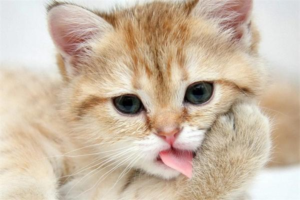
Can Cats Eat Seafood?
Cats can eat seafood, but only the right kinds and in strictly controlled amounts—otherwise you risk digestive upset or even poisoning. Not every seafood is safe: squid, octopus, shellfish, and sea crabs are best avoided. When feeding shrimp, remove the head, tail, shell, and vein first. Freshwater fish like salmon and cod are good choices, rich in quality protein and amino acids. Some cats are allergic to seafood, and heavy metals such as selenium and mercury in certain types can harm the nerves and liver, while shellfish may carry parasites or cause choking and blockage. Always watch the portion size, because a cat's digestion is delicate and any food in excess can backfire.
What should I do if my puppy has diarrhea but is still lively?
Lively diarrhea usually means dietary indiscretion - intolerance, overeating, irregular feeding or poor food. Fix the diet; try pet probiotics for two days; if no improvement, see the vet.
What are four ways to make a dog vomit quickly?
1) Soapy water by stomach tube; 2) diluted hydrogen peroxide (1:9) with strict dosing then rinse; 3) let it eat grass to self-induce; 4) if none work or it stays ill, go to the vet.