Search Results
1089 results for “fish feeding”
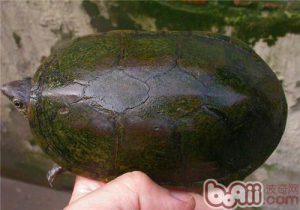
Oaxaca Mud Turtle
The Oaxaca Mud Turtle (Kinosternon oaxacae) is a type of mud turtle that aestivates in summer, burying itself in mud to cool down—hence its name. Living in slow-moving rivers, it hunts fish and shrimp in the water and is an omnivore that leans carnivorous.
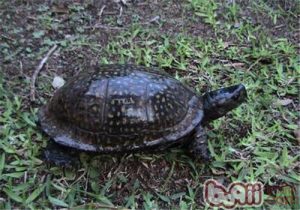
Gulf Coast Box Turtle
The Gulf Coast Box Turtle (Terrapene carolina major) is the largest subspecies of the Common Box Turtle, found along the U.S. Gulf Coast bordering Mexico. A typical omnivore reaching up to 18 cm in carapace length, it grows quickly and is relatively easy to keep.
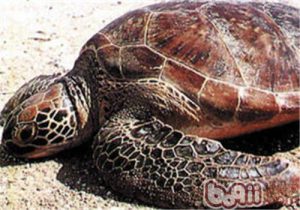
Loggerhead Sea Turtle
The loggerhead sea turtle (Caretta caretta) is a large marine turtle found in the warm temperate waters of the Atlantic, Pacific, and Indian Oceans. Historically overharvested for its meat and eggs, it is now listed as a protected species under international and Chinese law.
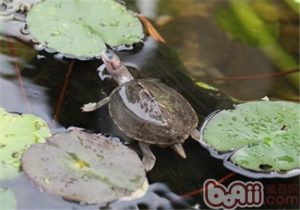
Brown Roofed Turtle
The Brown Roofed Turtle (Pangshura smithii) is a relatively uncommon member of the roofed turtle genus, comprising two subspecies—the nominate Smith's roofed turtle and the white-footed roofed turtle, distinguished by the absence of black markings on its plastron. A semi-aquatic omnivore, it inhabits riverbed mud across the Indian subcontinent and enjoys basking.
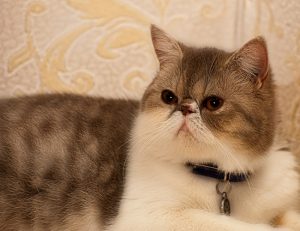
Exotic Shorthair
The Exotic Shorthair — everyone's "Garfield cat" — pairs the Persian's plush look with a short, easy-care coat. Sweet, calm, and affectionate, it's one of the most laid-back cat breeds to live with.

Mud and Musk Turtles (Egg Turtles)
The 'egg turtle' is not a single species but the common nickname for the family Kinosternidae — mud turtles and musk turtles — named for their smooth, egg-shaped carapace. Mostly North American, they are popular, interactive pets, but each species differs in size, care difficulty and husbandry, so research the exact species before buying.

Red-banded Snake
A black-and-red banded colubrid of East Asia - gentle in captivity, with a red 'A' mark on the nape. Technically a mild rear-fanged snake; practically harmless.
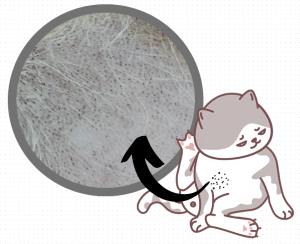
Black Dots on Your Cat’s Skin: Folliculitis, or ‘Black Chin’ and ‘Stud Tail’
Black dots on a cat's skin are usually the early sign of folliculitis, like blackheads, driven by excess sebum, blocked follicles, and bacterial infection. On the chin it is called black chin, and on the tail stud tail or oily tail, both managed with gentle localized cleaning and diet adjustments.

Salt Poisoning in Dogs and Cats
Eating too much common salt irritates the gut and over-excites the brain, causing restlessness, muscle tremor, thirst, little urine and dehydration; severe cases can be fatal. Fresh water and careful correction of electrolytes are the mainstay.

Vitamin A Toxicity (Hypervitaminosis A) in Dogs and Cats
Vitamin A toxicity in dogs and cats follows prolonged over-supplementation with vitamin A or liver-heavy diets, suppressing bone-forming cells and causing periosteal bone spurs, pain, and lameness. It is reversed by stopping excess vitamin A and providing supportive joint care.