Search Results
1090 results for “fish feeding”

Vitamin A Toxicity (Hypervitaminosis A) in Dogs and Cats
Vitamin A toxicity in dogs and cats follows prolonged over-supplementation with vitamin A or liver-heavy diets, suppressing bone-forming cells and causing periosteal bone spurs, pain, and lameness. It is reversed by stopping excess vitamin A and providing supportive joint care.

Anal Sacculitis in Dogs and Cats
Anal sacculitis is inflammation of the small anal glands when their secretions build up and irritate the lining, most often in small-breed dogs and cats. Signs include scooting, licking at the rear, and a foul odor; treatment is expression and antibiotics, with surgery for rupture or fistulas.
How good is Royal Canin’s skin-support prescription diet?
Royal Canin skin-support formula uses plant protein to lower allergy risk but is low in nutrition; not for long-term use — prefer a hypoallergenic diet for allergy-driven skin issues.
Can a Samoyed eat pork?
A Samoyed can eat pork in moderation, but note: pork is low in protein and high in fat, so avoid fatty cuts to prevent digestive strain. Never feed raw pork, as it may carry bacteria or parasites. Pork alone is not nutritionally complete, so dog food should remain the staple and pork an occasional supplement. You can also offer fish, chicken breast, beef, egg yolk, and vegetables.
What should I feed juvenile flowerhorn cichlid fry?
Young flowerhorn cichlids need easily digested, nutrient-rich foods. Here is a stage-by-stage feeding plan.
What does a pig-nosed turtle mainly eat?
Pig-nosed turtles are omnivorous. Here is their natural diet and a captive feeding ratio.

Common Causes of Arowana Fright
Despite their fierce appearance, arowanas are easily startled, and when scared they may jump out of the tank, refuse food, or slam into the glass. Fright comes from external changes (noise, light, tank rearrangements) or internal issues (parasites); calm the fish with fasting, a covered tank, and gradual taming.

How to Prevent Arowana Fright
Arowana fright is common and hard to eliminate entirely, so owners should both prevent it and know how to respond. Give new fish quiet time to adapt, keep tankmate sizes matched, maintain stable warm water, and limit pets/children near the tank; for an already-startled fish, the 'old three' (heat, salt, water change) usually helps.

How to Feed Farmed Arowanas
Proper feeding keeps arowanas healthy, but beginners often get it wrong. Use hand- or machine-feeding suited to your setup, feed by life stage (6–8 times as fry, 2–5 as juvenile, 1–2 as adult), feed on a schedule tied to appetite, and follow the 'four checks, five fixed' principles.
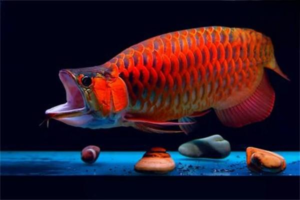
Preventing Arowana Fright: A Beginner’s Guide
Although arowanas are large ornamental fish, they are very timid and startle easily, leading to repeated jumping, glass-slamming, scale loss, and refusing food. Prevent it by placing the tank away from doors, avoiding sudden noise and light changes, and limiting activity near the tank—while taming the fish through gentle, regular interaction.