Search Results
1090 results for “fish feeding”
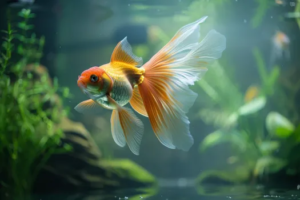
Is It Normal for an Arowana to Lose Scales?
Some scale loss is normal as arowanas grow, but abnormal, frequent loss signals a problem—injury from handling, crashing into the glass (from overfeeding, fright, or fights), disease (fungal or parasite infection), or poor water. Prevent it with careful handling, a stable environment, separating fighters, and proper water changes.

Why Are My Golden Arowana’s Gills Red?
Red gills in a golden arowana often mean red-spot disease or gill rot, both from poor-water bacterial or parasite infection. Mild red-spot disease improves with water changes and warmer temperature; severe cases need chlorine-dioxide baths. Gill rot is contagious—isolate and treat with salt, copper sulfate, or trichlorfon by stage.
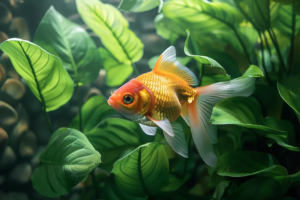
Why Does an Arowana’s Gill Flip Out?
Arowana gill eversion (flip-gill) is caused by poor feeding/husbandry, cramped space, temperature swings, or a wrongly placed water pump—all lowering oxygen or irritating the gills. Treat early with gradual water improvement and aeration; mid-stage add current therapy; once the soft tissue hardens, only surgery fixes it.

Decoding the Causes of Arowana Gill Eversion
Severe gill eversion can kill an arowana, but it develops gradually—treat it early and you avoid the worst. Causes are poor feeding/husbandry, cramped space, unstable temperature, and a misused water pump. Treat early with water changes and aeration; mid-stage add current therapy (about 50% success); late stage needs surgery.

Why Do Arowanas Get Gill Eversion and How to Treat It?
Gill eversion is common and hard to control because many causes overlap: foul water, overcrowding, temperature swings, and a misplaced water pump. Early: improve water and add oxygen. Mid: add current therapy (about 50% success). Late (hardened tissue): only surgery. Mild cases refuse food or surface; severe ones suffocate from infection.

Understanding Aggressive Behavior in Cats
Given their size, cats can be formidable opponents. Unlike dogs, cats have three weapons: an open mouth with sharp teeth and four dexterous paws with needle-like claws, making them harder to control.
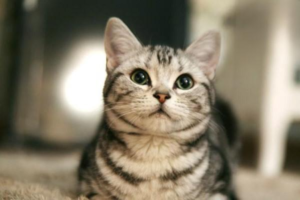
Foods That Are Toxic to Cats
Unlike dogs, many things people can eat harm cats. Some seasonings also burden a cat's body.

How to Choose Cat Food and Canned Food
Cat food, cans, and treats on the market are dazzling, and reviews vary widely. Even well-regarded brands may contain some unhealthy ingredients.

Treatment for Inflammatory Bowel Disease (IBD) in Dogs
IBD in dogs is treated with a novel or hydrolyzed-protein diet, antibiotics (metronidazole, tylosin), corticosteroids (prednisone), sulfasalazine for the colon, and sometimes azathioprine. Home care means strict meds and diet, regular follow-up, and watching for infection or steroid side effects.

Food Allergies in Cats: Signs and Management
Food allergies can appear at any age and often develop to proteins a cat has eaten for years, such as beef, chicken, fish, or dairy. Itching, ear infections, and digestive upset are classic signs, and an elimination diet is the only reliable diagnosis.