Search Results
748 results for “feline infection”
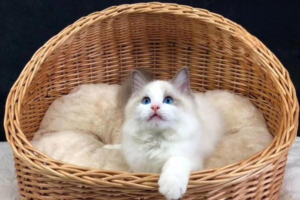
How Long Can a Cat with Jaundice Survive
Feline jaundice (hyperbilirubinemia) signals a serious threat to a cat's life and needs prompt treatment. Survival depends on the cause — fatty-liver jaundice can be reversed, but FIP-related jaundice is often fatal without about two months of antiviral therapy. Treatment uses bile-acid liver supplements plus veterinary diagnosis, and post-hepatic cases need surgery to clear the bile duct.

Why Does a Cat Breathe Loudly (Heavy Breathing)?
A cat's loud breathing can be normal a relaxed cat purrs and breathes heavier but if it comes with other signs the cat is likely ill. Causes: relaxation, flat-faced breeds, nasal objects, simple congestion, cold or URI (sneezing, runny nose), feline rhinotracheitis or virus (cough, tears, fever), or long-term rhinitis. Clear mild cases; see a vet for cough, tears, or fever.

How to Maintain Your Cat’s Dental Health
Tartar and gingivitis are common feline dental problems, usually caused by owners feeding too much soft food and skipping regular teeth cleaning. This article shares practical methods and tips to keep a cat's teeth healthy.

Things to Know When Caring for a Scottish Fold
Scottish Folds adapt well but need humidity around 50 to 60 percent, since too much moisture invites skin disease. Their stomachs are also delicate, so stick to one cat food brand. Here are the main points of Scottish Fold care.

Cat Sinusitis: Causes, Symptoms, and Treatment
Cat sinusitis is common, usually from bacteria, viruses, fungi, or irritants, causing sneezing, nasal discharge, congestion, breathing trouble, snoring, red watery eyes, poor appetite, and lethargy. Severe cases show blood-tinged, foul-smelling discharge and may lead to brain complications. Treatment depends on cause and severity: bacterial cases need antibiotics, viral cases antivirals, plus nasal flushing and a cleaner environment.
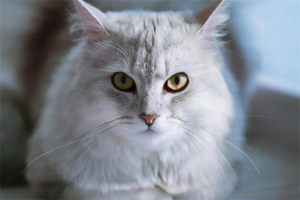
Can Cats Get Acne Too?
Yes, cats can get acne, also called feline acne. Any age can be affected, but it is very treatable. Here is what you need to know about feline acne.
My kitten sneezes often, sprays saliva while sneezing, and keeps making a rumbling snoring sound
Sneezing with a rumbling sound has different causes. If a kitten sneezes often it is likely sick and needs a vet. If the cat is otherwise happy and the rumble comes from the chest, it is contentment; give cold medicine and keep it warm.
See the video
A cat that sneezes frequently and then suddenly twitches as if having a seizure may be suffering from a respiratory infection or strong nasal irritation. Common respiratory infections include feline herpesvirus, calicivirus, chlamydia, and mycoplasma; nasal tumors, sinusitis, chemical irritation, and dust allergies can also cause itching and sneezing.
Had a Cold Before, but Now Eye Discharge Increased, Eyelids Red and Will Not Open, Still Congested and Sneezing, Took Amoxicillin
The cat's condition may be from a cold, blocked nasolacrimal duct, or feline rhinotracheitis. A common cold usually improves in a week with pet cold and anti-inflammatory medicine plus warmth.
Precautions for feeding a cat doxycycline tablets — how should I give them?
Doxycycline is a tetracycline antibiotic for gram-negative, gram-positive and mycoplasma infections; follow the vet's dosage by weight. It is banned in severe liver/kidney failure. Side effects include vomiting and diarrhea; don't give on an empty stomach to avoid esophageal ulcers.