Search Results
748 results for “feline infection”
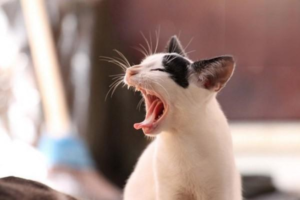
Why Is My Cat Sneezing?
Sneezing and a runny nose are easy to dismiss, but they deserve a closer look. The usual triggers are dust or litter dust (allergy), a chill or cold, or — when discharge turns thick and the cat runs a fever — feline rhinotracheitis, which needs prompt veterinary care.

How to Recognize Ear Mites in Your Cat
Ear mites spread easily between cats and dogs through close contact and are most common in kittens. Look for dark, crumbly ear discharge, head shaking, and scratching around the ears and neck — and isolate an affected cat to protect the rest of the household.

How to Tell If Your Cat Has Mites
The hallmark of a mite infestation is intense itching with irregular red patches and hair loss. Unlike ringworm's neat circular rings, mite damage looks blotchy and worsens the more your cat scratches, sometimes progressing to blisters and discharge.

Why Is My Cat Breathing With Its Mouth Open?
Open-mouthed breathing has both normal and disease causes. Heat, exertion or fear can explain it, but otherwise it usually signals a blocked or inflamed airway such as a cold or feline rhinotracheitis. Persistent cases with fever or eye discharge need a vet.

Why Is My Cat Shivering on and Off?
Intermittent shivering is not normal and usually means your cat is cold, unwell, or dealing with something more serious. A cold is the common cause, but lingering tremors can signal nutrient gaps or a neurological problem. Persistent or unexplained shaking should be checked by a vet.

Cat Has Had Yellow Nasal Discharge for Six Months
Persistent yellow nasal discharge in cats usually points to a chronic upper-respiratory infection such as feline viral rhinotracheitis, or less commonly pneumonia. When the symptom has lasted six months, the condition is well established and needs a proper veterinary work-up rather than guesswork. Supportive home care can ease discomfort, but lasting or recurring discharge warrants diagnostic testing.
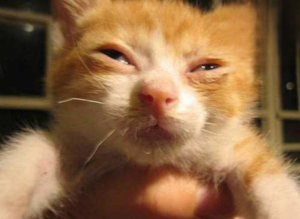
What to Do When Your Cat Sneezes Blood
Blood in a cat's sneeze points to parasites or feline rhinotracheitis (cat flu) — both need a vet check. Deworm for parasites; for rhinotracheitis, treat the virus with eye drops and vet-prescribed medication plus immune support.

Will a Cat Die from Pus-Like Eye Discharge?
Pus-like eye discharge itself isn't fatal, but the diseases behind it can be — feline distemper (panleukopenia), rhinotracheitis (cat flu), and calicivirus all produce crusty, pus-like eye discharge. The underlying illness, not the eyes, is the real danger.
- « Previous
- 1
- …
- 73
- 74
- 75