Search Results
295 results for “feed management”

What Medicine Helps a Dog Recover Quickly from Bloody Stool?
Blood in a dog's stool can stem from parasites, hemorrhagic gastroenteritis, ulcers, pancreatitis, or infections like parvovirus and coronavirus. The key step is a vet exam to find the cause—never self-medicate blindly; supportive care, deworming, or surgery follow the diagnosis.

Causes and Treatment of Koi Enteritis
Koi enteritis is usually caused by poor water quality, improper diet, or parasite infection. Affected fish show loss of appetite, slowed movement, isolation from the group, darkened or faded color, stringy feces, and a red, swollen vent. Take these signs seriously and treat promptly. Treatment depends on severity—mild cases are simple.

Can Guppies and Shrimp Live Together?
Guppies are tropical fish that thrive at 24–28°C, not far from shrimp's preferences. However, guppies can be aggressive and may eat small shrimp, while large shrimp can injure a guppy. Shrimp also breed fast, and the fry become extra food for guppies. As a rule, it's best not to mix them; if you must, choose small, hardy shrimp such as ghost shrimp, red cherry shrimp, or sakura shrimp.

Causes and Treatment of Scale Protrusion in Ornamental Fish
Common causes of scale protrusion in ornamental fish include poor water quality, parasite infection, and bacterial or fungal infection. Different causes require different treatments, but all involve improving water quality and appropriate medication. When the condition is caused by parasites, the fish can be cleaned with potassium permanganate solution and then treated with albendazole or mebendazole tablets as directed.
How often do mosquitofish reproduce?
Mosquitofish have a long breeding season, reproducing from April to November and giving birth every 30-40 days - 3 to 7 broods a year. They tolerate 0-40 C water (best 18-30 C) and eat mosquito larvae, plus rotifers and ciliates when young. Although they control mosquitoes, they breed aggressively, are pugnacious and are invasive, so never release them into the wild.

Causes and Prevention of Turtle Poisoning
Turtle poisoning comes from toxic plants (pothos, lilies, daffodils), venomous insects, environmental chemicals, or—most commonly—ammonia-nitrogen buildup from poor, oxygen-poor, overcrowded water. Prevent it with toxin-free food and habitat, clean water, sensible stocking density, and a prompt vet visit if poisoned.
The Munchkin Cat: A Care Guide for the Short-Legged Breed
Munchkins are gentle, clingy, and adaptable, making them easy keepers — but their limited jumping means the litter box and bed must stay low. Short legs mean less daily activity, so unchecked feeding easily leads to obesity that strains the joints and raises arthritis and spinal risk; watch the diet. And because the 'chassis' sits low, the belly (and in long-haired ones the coat) picks up dirt, and the rear can smear — so help with cleaning.

Do Dogs Need to Switch Food Regularly?
Dogs benefit from periodic food changes: nutritional needs shift across puppy, adult, and senior life stages, health issues (joints, skin, teeth) call for targeted formulas, and rotation aids weight control and fights flavor fatigue. Switch gradually with a 7-day transition (75/25 → 50/50 → 25/75 → 100%) and slow down if digestion reacts.

What Causes Hormonal Hair Loss in Cats
Hormonal (endocrine) hair loss in cats shows as symmetric thinning, often on the abdomen. It stems from cortisol, sex, thyroid, or growth-hormone imbalances. Treatment targets the underlying disease plus hormone management through medication and diet.
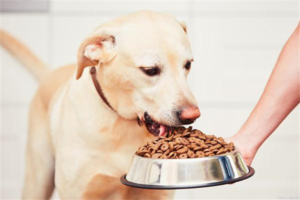
Which Dogs Should Eat Low-Fat Food?
Low-fat dog food suits dogs that need to cut back on fat: overweight or obese dogs, those with pancreatitis and similar illnesses, seniors, low-activity dogs, and dogs with sensitive stomachs. Healthy dogs can have some, but not as a long-term staple, since too little fat can harm the skin, coat, and immune system.