Search Results
295 results for “feed management”
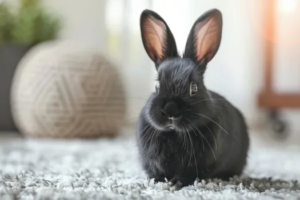
Rabbit Constipation: Causes and How to Prevent It
Rabbit constipation, common in young and old rabbits, comes from dry hardened gut contents due to poor feeding, too much concentrate, low water, or too little exercise, and can block the gut. Signs are poor appetite, hard small stools, then no stool with a painful belly and palpable hard masses. Prevent with balanced feed and water plus exercise; treat early with greens and, for severe cases, sodium sulfate or salt laxatives.
When Will a Hen Pigeon Lay Again After Chicks Hatch?
After chicks hatch, the hen pours time and energy into care, so she can't lay again soon — raising the question of when she will. This article explains the timing and brooding care.

How to Improve the Survival Rate of Young Rabbits
Weaned rabbits under three months old have the lowest survival rate of any age group, with more than half of deaths caused by digestive disorders. Boost survival by minimizing stress during the transition, keeping a calm and clean environment, feeding small frequent meals of digestible high-fiber pellets, and following a strict vaccination and coccidiosis-prevention program.
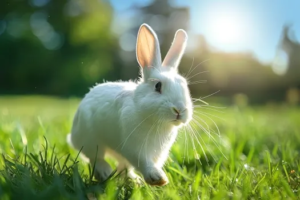
Rabbit Hairball Disease: Causes and Treatment
Hairball disease, common in long-haired rabbits, comes from swallowing too much fur and blocks the gut with constipation, bloating, and sometimes death. Causes range from cramped cages and poor diet to vitamin or mineral gaps and skin disease. Prevent it with full-ratio feed, isolation of fur-eaters, and regular grooming; treat with vegetable oil and enzyme tablets to pass the mass.

Preventing and Treating Rabbit Pasteurellosis
Pasteurella multocida lives quietly in the nasal and tonsillar tissue of many healthy rabbits and strikes only when stress or poor husbandry lowers resistance, spreading through secretions and contaminated feed or water. Control it with strict sanitation, regular vaccination, and prompt antibiotic or antiserum treatment.

How to Raise Rabbits
Successful rabbit keeping rests on healthy breeding stock, a clean ventilated hutch, grouped by size and sex, a digestible diet (pellets, alfalfa, veggies, boiled water), daily cleaning, and preventive vaccines against rabbit hemorrhagic disease and coccidiosis.
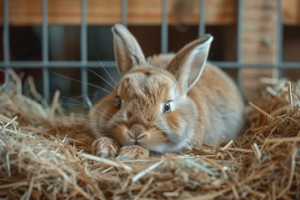
Key Points for Raising and Managing a Baby Rabbit
Baby rabbits are fragile: feed junior pellets and alfalfa (not fruit/veg), give clean water (never tap), keep the cage clean and quiet, hold temperature near 20 C (15-30 range), and prevent diarrhea and coccidiosis.

Common Rabbit Diseases in Winter and How to Prevent Them
Cold, dry winters challenge small, fragile rabbits. To help your rabbit through the season safely, prepare ahead. Here are the diseases rabbits face in winter and how to prevent and treat them.

Arowana Care Guide
Arowana have many keepers, but they are delicate and timid, so good care is not easy. Here are some daily management tips that help keep arowana healthy.

How to Care for a Dog in Its Growth Stage
A 'growth-stage' dog is one from weaning to adulthood. After weaning it is separated from the mother and moves from milk to puppy kibble. As it grows, its energy needs change, so its diet must change too. Here is how to manage a growing dog.