Search Results
295 results for “feed management”
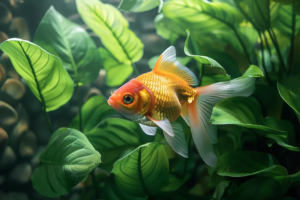
Why Does an Arowana’s Gill Flip Out?
Arowana gill eversion (flip-gill) is caused by poor feeding/husbandry, cramped space, temperature swings, or a wrongly placed water pump—all lowering oxygen or irritating the gills. Treat early with gradual water improvement and aeration; mid-stage add current therapy; once the soft tissue hardens, only surgery fixes it.

Canine Obesity: Causes and How to Help Your Dog Lose Weight
Obesity — excess body fat — affects 25–40% of dogs and is the most common nutrition-related condition in pets. The main driver is simple: more calories in than out. A vet-guided plan with a therapeutic diet and measured portions turns it around.

What to Do If Your Cat or Dog Has Diabetes
Diabetes in pets comes from too little or poorly used insulin, so the body burns fat instead of sugar. It can't be cured, but with insulin, diet, and monitoring it is very manageable — and early signs are easy to spot.

How Long Do Dogs Live?
A dog's lifespan depends on breed, sex, and size: mixed-breed and small dogs generally outlive purebreds and large breeds. Good nutrition, regular exercise, and preventive care can add years, while serious illness—especially viral disease—can shorten them.
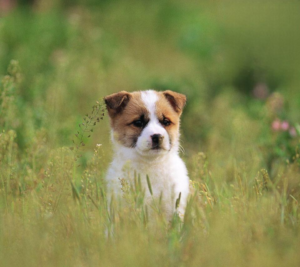
Simple Tips to Prevent Dog Diarrhea
Dog diarrhea is common, but most cases are preventable through steady feeding habits, routine vaccines and deworming, and basic gut support. This guide covers everyday diet management, preventive veterinary care, and simple at-home steps that keep your dog's stomach settled.
- « Previous
- 1
- …
- 28
- 29
- 30