Search Results
1238 results for “early symptoms”
Can a dog with distemper (canine distemper) be saved?
Yes, if treated promptly. Signs progress through early, middle and late stages; early signs (runny nose, eye discharge, thickened pads) are easy to miss, while mid-late vomiting, diarrhea and seizures have low cure rates.

How Long Does a Hamster Cold Last?
A hamster cold usually lasts about three to five days, but the exact time depends on the individual, how severe the illness is, and the treatment given. Mild cases can recover in one to two days, while severe ones take longer. Signs resemble human colds: sneezing, runny nose, coughing, and reduced appetite, with the hamster becoming quiet and inactive. Keep the animal warm and hydrated and see a veterinarian promptly for proper care.

How to Tell Whether Your Dog Has a Cold or Distemper
A dog's ordinary cold and canine distemper can look alike at first, but they are very different problems. A simple cold brings runny nose, sneezing, fever, and cough from a viral or bacterial respiratory infection and is usually easy to treat. Distemper, by contrast, is a highly contagious and stubborn disease whose early sign is often a cold-like state; warning signs include diarrhea, bloody stool, vomiting, thick pus-like discharge from the eyes and nose, lethargy, and shivering. Distemper is far more dangerous, especially in puppies, and belongs in the hands of a veterinarian. The best defense against distemper is routine vaccination and avoiding unvaccinated groups during outbreak seasons.
Pet CoQ10 Supplements Reviewed: Picking One That Genuinely Supports Heart Health
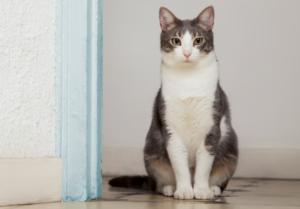
CoQ10 is a popular supplement for pets with heart conditions, but it supports heart function rather than curing disease. It helps the heart muscle generate energy, mildly slows heart failure, and supports immunity and vitality. Yet the market is full of weak or mislabeled products—industry figures suggest most pet CoQ10 labels either understate or omit the actual content, and some use industrial-grade raw materials. When choosing a supplement, look for verified CoQ10 content (ideally backed by independent testing), natural fermentation sources, and a clean antioxidant formula, matched to your pet's age, breed risk, and symptoms. Used alongside veterinary treatment, a quality CoQ10 can be a valuable part of heart care.

What Is Canine Tuberculosis
Canine tuberculosis is a chronic, slowly progressive infection caused by Mycobacterium tuberculosis complex bacteria. Dogs usually catch it from infected people, cattle, or cats through the air or contaminated food and water, and it can pass to humans as well. Early signs are vague - odd appetite, tiredness, and gradual weight loss - but as the disease advances, dogs may develop a persistent cough, digestive upset, abdominal swelling, or skin ulcers depending on which organs are affected. Because the infection forms hardened granulomas in tissues, it is difficult to cure, and open or positive cases are generally humanely euthanized to protect public health. Strict hygiene and prompt testing of sick animals are the main defenses.
Why Does Your Hamster Have Soft Stools?
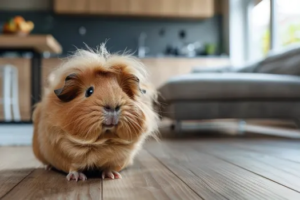
Hamster soft stools can stem from diet, infection, water, or stress. A fragile digestive system reacts badly to too much fruit or vegetable, moldy food, or unbalanced feed; bacteria or viruses can inflame the gut; poor or scarce water upsets it; and heat, environmental change, or fright lowers immunity. If you see soft stools, cut back on produce, check the water source, switch to a balanced diet with more protein and fat, keep the cage clean, and consider probiotics or medication for serious cases. If stools come with poor appetite or low energy, see a veterinarian promptly.

How to Treat Cat Chin Acne
Cat 'black chin' is simply feline folliculitis - black specks like coal dust at the hair roots, sometimes red and painful, worsening to pustules, hair loss and itch. Causes: too-oily food, plastic bowls and chewed plastic toys that harbor bacteria, overactive hormones (intact males are prone, especially on tail and chin), and poor grooming or dusty homes that let oil build. Most cases are cosmetic and need no treatment, but switch plastic bowls first; mild cases get a topical antibiotic after warm compresses, and weekly medicated washes. It can strike any cat, any age or sex.
Golden Arowana Care and Husbandry
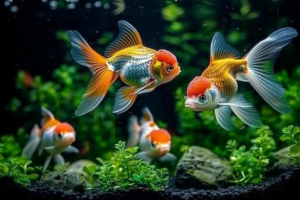
The golden arowana is a large, striking ornamental fish that needs generous space—a pond or an aquarium over 120 cm long. It prefers soft, slightly acidic water and a steady 24–26°C (28–30°C for silver and black varieties), with new and old water kept within 2°C to avoid shock. Good filtration, an air pump for oxygen, and a covered tank prevent stress and disease. Aim for 3–4 hours of sunlight daily, or 5–7 hours of full-spectrum lighting, to support growth and color. Sound husbandry—clean water, stable temperature, sensible feeding—is the best defense against the common signs of illness: dull color, sluggish swimming, and drooping eyes.

What Is Feline Glomerulonephritis
Feline glomerulonephritis is an immune-mediated kidney disease that most often affects young male cats. It develops when antibody-antigen complexes are filtered and trapped in the glomeruli, the kidney's tiny filtering units. The result ranges from protein-wasting nephrotic syndrome to chronic kidney failure. Recognizing the signs and the treatment goals helps owners act early.

Why Is My Dog Suddenly Restless or Agitated?
A dog that suddenly becomes restless—unable to settle, chewing furniture, or barking nonstop—is a common problem with many possible causes. Physical issues such as pain, illness, or hormonal changes, environmental triggers like strangers, new smells, noise, or flashing lights, unmet needs such as lack of exercise or poor diet, and emotional troubles including separation anxiety, phobias, or depression can all spark agitation. Start by checking your dog's body for fever, rapid breathing, or other warning signs. If the dog is physically healthy, adjust diet and environment or seek veterinary advice. Understanding the cause is the first step to calming your companion.