Search Results
1238 results for “early symptoms”

What to Do When Your Cat Catches a Seasonal Cold
Cats catch colds easily at seasonal changes — sneezing, runny nose, cough, and fever are the giveaways. Keep the cat warm, use a vet-formulated remedy (with a cough add-on if needed), and only reach for fever medicine above 39.5°C (103°F).
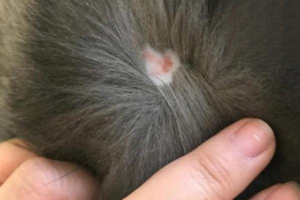
Will Cat Ringworm Heal on Its Own?
Cat ringworm won't clear up by itself — left alone it spreads and worsens. It comes from parasites or fungus; treat by isolating, clipping, and applying antifungal spray and ointment, with a 4–6 week course and good nutrition.
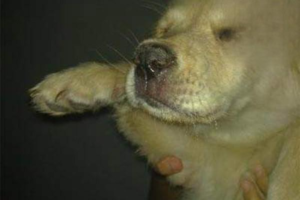
How Long Can a Dog Survive Canine Distemper?
A dog's odds with distemper depend on treatment. Caught and treated early, most survive; left until severe, many die within a month. The disease itself is rarely the direct killer — complications are — so dedicated care through the roughly month-long course matters most.

What to Do When an Alaskan Malamute Has Skin Disease
An Alaskan Malamute with skin disease shows itching, hair loss, and scabs that can spread across its large body if ignored. Clip the affected fur, disinfect, apply antifungal spray and ointment, and keep the environment clean.

What to Do When Your Cat Has a Respiratory Infection
Feline respiratory infections bring sneezing, nasal discharge, congestion, and coughing, and need prompt care. Mild cases respond to supportive treatment, while yellow discharge points to a more serious upper-respiratory infection.
Since I woke up my cat has been sneezing constantly and very frequently. Is it a cold, and what medicine should I give?
Sneezing can be a sign of respiratory infection or merely a physiological reaction, so it does not always mean illness. With accompanying nasal discharge the cat is likely sick and a cat cold medicine helps; recurring or feverish cases warrant a vet visit and, if needed, a fever-reducing medication after a clear diagnosis.
My dog has been sneezing repeatedly all day and its nose is dry — could it have a cold?
Repeated sneezing with a dry nose in a dog is usually an early sign of a cold; a runny nose, fever and cough follow as it worsens. A canine cold medicine helps, but a vet visit is the safe call if symptoms persist.
My 2-year-old Bichon Frise has been coughing all day with mucus on its nose but no sneezing — could this be a cold, and how should I treat it?
A Bichon Frise coughing with nasal discharge but no sneezing could signal either canine distemper or an early cold. For a simple cold, keep the dog warm and use a vet-approved canine cold remedy; if signs persist, get a veterinary check to exclude distemper.
- « Previous
- 1
- …
- 122
- 123
- 124