Search Results
1238 results for “early symptoms”

Why Is Your Dog’s Tail Tucked Between Its Legs?
A tail tucked down usually signals fear, nervousness, or discomfort. A slight tuck may mean mild unease or wariness of a stranger or possible danger; a tail pressed tightly under the body points to real fright or stress. It can also stem from illness or pain, including a tail injury. Watch the dog's posture and other signs—comfort an anxious dog, and if pain or other symptoms appear, see a veterinarian.

What to Do About White Discharge in Your Cat’s Eye
White discharge usually signals an eye infection such as conjunctivitis, keratitis, or blepharitis, so identify the cause early. Discharge at the corner often means conjunctivitis—check for sneezing, runny nose, or fever, which point to a viral infection needing a vet; a white film over the eye needs prompt clinic care. At home, clean gently with saline, apply pet-specific antibacterial drops (neomycin sulfate, chloramphenicol, levofloxacin), boost vitamins A and C, and keep the environment clean. If no improvement in a few days, see a vet.

Causes and Treatment of Abdominal Breathing in Cats
Abdominal breathing in cats is often a symptom of an underlying disease—pleural effusion, a congenital diaphragmatic hernia, or feline infectious peritonitis (FIP) among them—so it always warrants attention and a prompt trip to the vet. A healthy cat breathes 20–40 times per minute; obvious difficulty, rapid or shallow breaths mean seek care immediately. Beyond treating the root cause, prevention matters most: keep up with vaccinations, schedule regular check-ups, and maintain a clean, well-ventilated, smoke-free environment to protect your cat's respiratory health.

How Does Tracheal Stenosis Affect a Dog?
Tracheal stenosis is a common airway problem, especially in small breeds. The narrowed windpipe blocks airflow, causing labored breathing and exercise limits, and can lead to complications such as voice loss and respiratory infection, plus poor appetite, swallowing trouble, and weight loss. Mild cases are managed with airway-relaxing medication; severe ones need reconstructive surgery. Keep the air calm and avoid strenuous activity, and learn canine CPR for emergencies.

What to Do If Your Rabbit’s Fur Turns Yellow
Yellow fur in rabbits can signal poor nutrition, too little sunlight, skipped grooming, illness, or simply urine staining. Because the cause varies, judge by the situation. Feed a balanced diet of fresh grass, vegetables, and quality pellets; give a few hours of gentle outdoor sun (avoid midday heat); brush regularly with a soft comb and use a rabbit-safe shampoo only when needed; and keep the cage clean and dry so urine doesn't stain. If yellowing comes with other symptoms, see a vet for parasites or infection. With diet, light, grooming, and checkups, the coat can recover its healthy shine.
What Does Ringworm Look Like Under a Wood’s Lamp?
When a cat loses fur, flakes, or develops bumps, many owners grab a flashlight to check for ringworm—but a normal torch shows nothing. Only a Wood's lamp makes the fungus fluoresce, and even then you can be fooled by false positives. Learn what true apple-green glow looks like, the classic symptoms, and why a negative lamp never rules ringworm out.

Dog Panting After a Short Walk? Watch for Heart Trouble
Panting after a brief walk is not always harmless—it can be a dog's heart crying for help. Heat, obesity, and flat-faced breeds pant normally and recover within minutes, but sudden breathlessness at rest, coughing at night, bluish gums, or constant fatigue warrant prompt cardiac screening. Early diagnosis and steady daily care can dramatically slow heart disease.
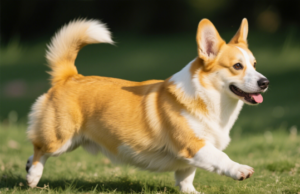
Are Corgis Prone to Patellar Luxation?
Corgis are indeed a high-risk breed for patellar luxation. Data from the Orthopedic Foundation for Animals (OFA) puts corgis in the top three among small breeds, with about 20%–30% developing some degree of the condition. The cause is twofold: a genetic mutation that leaves the trochlear groove too shallow to hold the kneecap, and a short-leg bone structure that angles the femur and tibia inward by 15°–20° more than usual, pushing the patella out of place. The problem is graded I–IV, from occasional skip-hopping to permanent dislocation. Mild cases are managed with joint supplements and limited exercise, while grades III–IV usually need surgery. Keeping the dog at a healthy weight and avoiding stairs and jumping are the best prevention.

Why Is My Dog So Sleepy in Summer?
Many dogs seem lazier and sleep far more once summer arrives. In most cases this is a normal response to heat—dogs cool themselves mainly by panting and through their paw pads, so they naturally slow down to avoid overheating. However, persistent lethargy paired with panting, a rising temperature, or appetite loss can signal heatstroke or illness. Keep your dog cool, hydrated, and walk them during cooler hours to stay safe.

Chinchilla Twitching: Causes and How to Respond
Occasional mild twitching or trembling in a chinchilla can be perfectly normal—chinchillas often flick their faces to sense air currents and check for danger. However, repeated or severe twitching may point to a nutritional imbalance, chronic stress, or an underlying illness. Calcium or vitamin B1 deficiency, loud or bright stressful environments, and conditions such as liver disease, diabetes, epilepsy, or poisoning can all trigger muscle spasms. Because twitching can be an early warning sign, owners should observe their pet closely and seek veterinary care if the behavior is frequent or comes with other symptoms. A balanced diet, a calm and comfortable habitat, and stable temperatures are the best preventive measures.