Search Results
1238 results for “early symptoms”
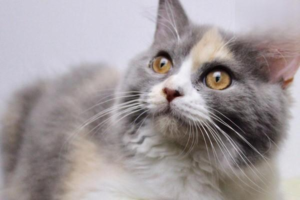
Health Checks Every Cat Owner Should Know
Must-do checks: a baseline exam plus a four-way infectious test (panleukopenia, herpes, calicivirus, coronavirus) for every new cat—do it early, before symptoms turn deadly. Antibody tests suit cattery-bought kittens. Pre-surgery bloodwork matters for seniors; post-illness rechecks and fecal/SAA/urine tests catch parasites, inflammation, and urinary disease. Skip unnecessary ones: toxoplasma testing is mainly for pregnant households, and X-rays are for swallowed objects or fractures.

How to Tell If Your Cat Has Feline Rhinotracheitis (Cat Flu)
Cat flu and a common cold look alike, which leaves many owners unsure whether their cat has feline rhinotracheitis — an infection caused by the feline herpesvirus. The reliable approach is twofold: watch the symptoms and confirm with a test. Early signs are subtle — sneezing, a runny nose, watery eyes, low appetite, no fever — while the active phase brings a high temperature near 40°C, persistent coughing and sneezing, and thick eye and nose discharge. A test strip or a PCR check at the clinic confirms it, but the result must be read alongside the symptoms.
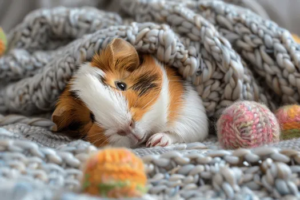
Signs of Internal Imbalance (“Heat”) in Golden Hamsters and What to Do
In small-pet care, "heat" describes a common imbalance in golden hamsters caused mainly by too many fatty, high-calorie treats like seeds, peanuts, and bread. It is not dangerous on its own, but it makes the hamster uncomfortable and can lead to constipation and obesity. The signs range from eye discharge to, in severe cases, prolapse and nosebleeds. The fix is dietary: cut the rich snacks, soften the food, and add a little cooling herb to the water. This guide explains the causes, symptoms, and treatment.

Why Your Dog Keeps Changing Sleeping Spots
If your dog keeps getting up and switching spots through the night, it usually means something is unsettling them. The most common reasons are an unfamiliar environment with no sense of security, separation anxiety after boarding or time away from you, nervousness triggered by strangers or new pets in the home, or an underlying physical problem that causes pain. Most cases improve with a stable routine and a safe, comfortable den, but restless sleep joined by other symptoms can point to illness and deserves a vet check. Watch closely and respond early.

Is a ‘Bald’ Spot on Your Cat’s Head a Sign of Stress?
Owners sometimes notice thinner fur on the sides of a cat's head (between the eyes and ears), especially in short-haired cats, and worry the cat is going bald from stress. Usually it's normal: those are scent-gland areas where many cats naturally have sparser coats. But hair loss can also be pathological—most often ear mites or ringworm. Ear mites leave dark brown discharge and itch; ringworm is a fungal infection causing round bald patches with redness and flaking. Compare the signs and see a vet early, isolating the cat if you have several.

How to Prevent Heartworm in Cats
Heartworm actually takes hold in a cat's lungs, not the heart, and although cats are not the worm's natural host, they can still be infected by a mosquito carrying larvae. Cats are often overlooked: infection rates are only 5–15% of a dog's under the same conditions, symptoms are subtle (about 28% show none), and tests are less accurate than in dogs. Prevention matters — avoid mosquitoes and use a vet-prescribed monthly topical preventive. Test for infection before giving any preventive, since treating an already-infected cat can cause shock.

Can a Cat Die from a Cold?
A cat's cold is usually not fatal if it stays mild, but ignoring it—letting a secondary virus take hold or failing to care during an outbreak—can indeed be deadly. Viral and bacterial colds are the dangerous ones; feline herpesvirus (cat flu, or rhinotracheitis) is the common viral form, and stray cats left untreated can die, while house cats should see a vet for targeted treatment. Later signs include thick nasal discharge, weeping or cloudy eyes, conjunctivitis, constant sneezing and cough, lost appetite, and low spirits. Prevention centers on vaccination against herpesvirus (though vaccines aren't 100% effective) plus disinfecting the environment, since the virus survives about 24 hours. Keep a sick cat warm—the virus replicates better at low temperatures.

What to Do When a Kitten Has a Cold
A kitten with a cold rarely gets better on its own, so step in early: give a cat-specific cold medicine (never a human one), and offer easy-to-swallow, nourishing foods like congee or goat-milk formula. Keep the kitten warm with extra bedding, off cold floors, and well hydrated; check for fever and treat it, and let it rest in gentle sunlight. If symptoms persist or worsen, see a vet.

What Causes Glaucoma in Dogs?
Canine glaucoma comes in primary and secondary forms. Primary glaucoma is a hereditary drainage-angle defect that blocks fluid outflow and raises eye pressure; it is common in Huskies, Chow Chows, Poodles, Cocker Spaniels, Beagles, and Maltese, usually appearing at 4–9 years. Secondary glaucoma follows eye disease such as uveitis, pupil blockage, lens luxation, or tumors. Treatment aims to lower pressure and save vision—medication works best early, but surgery is often needed later. Because early signs are subtle, at-risk breeds should have annual eye-pressure checks.

Kidney Disease: The Silent Threat to Cats and Dogs
Kidney disease is a silent killer of pets—early signs are subtle, and by the time you notice lethargy, weight loss, excessive thirst, frequent urination, reduced appetite, vomiting, or bad breath, treatment may be overdue. Studies suggest 1 in 3 cats and 1 in 10 dogs has kidney disease. Newer testing (SDMA) can flag problems when only 25% of function is lost, far earlier than traditional tests (75%). Management means vet-guided diet and medication, no table scraps or treats, encouraging water, and regular monitoring.