Search Results
1238 results for “early symptoms”
Not sure what’s wrong—black stuff comes out of the ear; could it be ear mites?
Black/brown ear buildup likely means ear mites, with scratching and head-shaking. Confirm with a vet ear exam. Clean with a dedicated ear cleaner (don't use cotton swabs deep), then apply ear medication and an e-collar; also use a topical antiparasitic. Treat 3–4 weeks, plus a week after symptoms clear.
What are the signs of depression in cats?
Signs: loss of interest and joy, low energy, trouble thinking, sleep problems (insomnia, early waking), and clear appetite loss with weight loss. Severe cases may self-harm. See a vet.
My cat is releasing yellow discharge but has no contractions, doesn’t cry out, and acts completely normal—what does this mean?
If a pregnant cat releases yellow discharge without contractions, the cause depends on her stage of pregnancy. Yellow discharge may signal a uterine or vaginal infection when accompanied by a foul odor or other symptoms, or it may simply be a normal early-pregnancy secretion.

Fluffed vs Puffed: Telling Parrot Feather States Apart
Fluffed and puffed look alike but differ in cause and signs. Compare the head, breathing, and droppings: fluffed means likely illness, puffed is often normal behavior. Respond to the real cause.

Can Turtle Pneumonia Spread to Other Turtles?
Can turtle pneumonia spread to other turtles? The answer is yes. Turtle pneumonia is an internal infection that spreads to healthy turtles through saliva. What are the symptoms and how is it treated? Our veterinarian explains turtle pneumonia.

Why Does Your Dog Have Bloodshot Eyes?
A few red threads are normal—poor sleep, irritation, or scratching. But if the eye is full of blood vessels with discharge or other symptoms, take it seriously; the eye may be troubled. Our team lists causes.
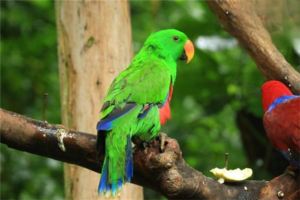
Causes and Prevention of Parrot Trichomoniasis
Parrot trichomoniasis is a parasitic disease caused by flagellate trichomonas, attacking the upper digestive tract. Without timely treatment, the esophagus can block, causing starvation. Owners should prevent it. Our team shares prevention methods.
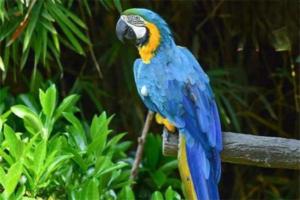
How to Treat Parrot Trichomoniasis
The pathogen of avian trichomoniasis is the flagellate Trichomonas gallinae, which attacks the upper digestive tract. The disease is common in pigeons, most of which carry it without showing symptoms, but parrots and other birds can also be infected. Treat promptly if a parrot is infected. Our team introduces the treatment methods.
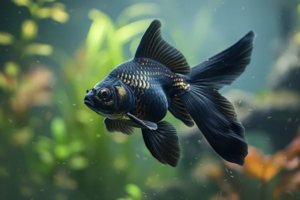
Common Reasons an Arowana Stops Eating
An arowana may refuse food because it is stressed by a new environment, the water has gone bad, the diet is too monotonous, it has a cold, it has internal parasites, or it has enteritis. Pinpoint the exact cause—stable water, a short fast, then targeted treatment—before resuming feeding.

Why Guinea Pigs Develop Malocclusion (Bad Bite)
Guinea pig malocclusion is common because their teeth grow continuously and need constant wear. Signs include trouble chewing or swallowing and reduced intake; diagnosis is by exam or imaging under anesthesia. Treatment is dental burring to restore the bite - extractions are nearly impossible. Feed high-fiber food and schedule checkups.