Search Results
4113 results for “ear pH”
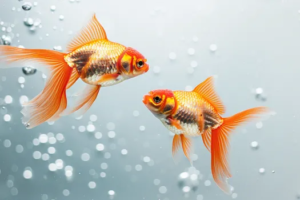
Goldfish Habits and Types
Goldfish are lively but gentle, omnivorous, and easy to school - but watch density to avoid fouled water and low oxygen. They are cold-blooded and can't take sudden 5C+ swings; best growth is 20-28C, and they like slightly alkaline water (pH 7.5-8.0). Main types: grass, wen, dragon (pop-eye), and egg (no dorsal fin).

Why Do Parrot Fish Turn White?
Parrot fish turn white from lack of pigment, poor water (alkaline or hard; they prefer soft, weakly acidic water at pH 6.0-7.0), low temperature below 20C, environment change or fright, illness, or genetics. Feed color-enhancing food, fix water and warmth, let them rest after stress, and treat any disease.
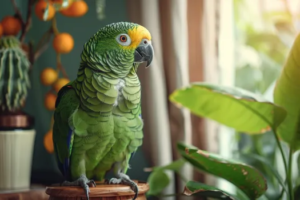
Can Lovebirds Talk?
Lovebirds rarely talk and are hard to train, though patience may teach a few simple words. They mimic other birds' and animals' calls instead. Talking breeds include budgerigar, Amazon, African grey, Derbyan, Alexandrine, Pacific, sun conure, and eclectus parrots.

Why Is a Kitten Drooling?
Kitten drooling can be normal (grooming, food stimulus, stress) or a disease sign (oral disease, heatstroke, respiratory infection, poisoning). Keep the environment calm to reduce stress; brush teeth regularly, feed a balanced diet, avoid toxic plants and chemicals, and see a vet if other symptoms appear.

Goldfish Care Before and After Spawning
Before spawning, prepare a disinfected separate breeding tank with plants or a spawning mop, and keep a male:female ratio of 2:3 or 2:4. After laying and fertilization, remove the parents and keep water at 15-20C to hatch in 3-7 days. Feed fry yolk 2-3 days after hatching; keep oxygen ample and avoid water changes.
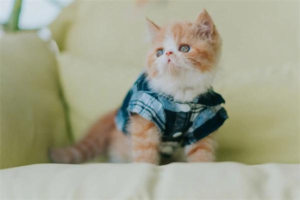
Feline Sunstroke: Causes and Treatment
Feline sunstroke is a form of heatstroke caused by prolonged, intense sun exposure that overwhelms the body's ability to shed heat. Signs include high temperature, rapid breathing, lethargy, unsteady stance, and in severe cases agitation and neurological signs that can end in death. At the first sign, move the cat out of the heat and cool it down; for serious cases, seek veterinary care because complications can cause permanent harm.
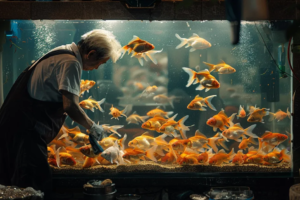
How Should You Feed Goldfish?
Goldfish are omnivores eating animal, plant, and prepared foods. Young fish need frequent small meals (2-3 times daily, what they finish in 5 minutes) rich in animal protein; adults do well on prepared pellets as a staple for balanced nutrition and less water fouling.
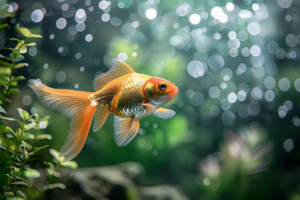
The Arowana Breeding Process
Arowana breeding requires specific water temperature and quality, and proceeds in three steps: pairing, egg-carrying, and spawning. This article walks through each stage and the care needed during the breeding period.

Causes of Non-Regenerative Anemia in Dogs
Non-regenerative anemia in dogs stems from nutritional deficiency, chronic disease, bone marrow problems, or tumors that stop new red blood cells from forming. Diagnosing the underlying cause guides treatment and recovery.
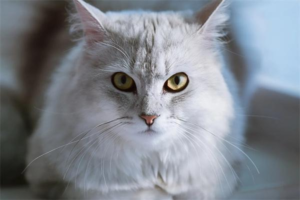
What Happens If a Cat Breeds Too Often?
While unspayed, constantly in-heat cats risk pyometra, mammary tumors, and ovarian cysts, too-frequent pregnancy and birth also heavily burden the mother. This article explains the effects of frequent breeding so owners limit litters.