Search Results
4113 results for “ear pH”

Possible Causes of Sudden Death in Arowana
Arowanas are hardy, adaptable, and long-lived, so a sudden death usually means the owner missed an underlying illness—the fish was sick, not suddenly fatal. This article analyzes the likely causes of abrupt arowana death.
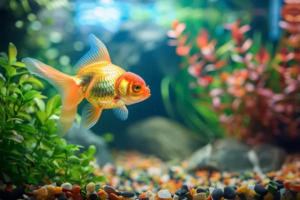
Why Do Arowana Scales Raise (Pinecone Disease), and How to Treat It
Arowana scale-raising has three causes—handling-related, parasitic, and bacterial—each needing different treatment. Find the real cause and treat accordingly. This article covers the common causes and treatments.

When Do Corgis Go Into Heat, and When Can They Be Bred?
Corgis usually have their first heat at 6–8 months, but breeding too early harms development. Wait until the second heat (around 1.5 years) or later, and time mating to the right days using physical signs for the best results.
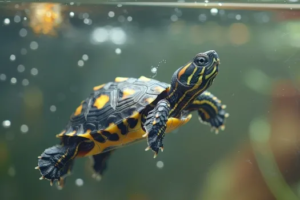
Why Is My Turtle’s Shell Soft, and How to Treat It?
A soft shell is usually normal shedding or, more seriously, calcium deficiency (metabolic bone disease). Improve diet with calcium-rich foods and ensure daily sun or UVB to aid absorption.

What to Do If Your Turtle Lacks Calcium, and How to Supplement
Calcium deficiency deforms the shell and slows growth and appetite. Fix it with calcium-rich foods (shrimp, cuttlebone), calcium tablets or powder, and daily sun or UVB—but avoid overdoing it, which can cause stones.

How to Care for Newborn Hamsters
Newborn hamsters are blind, frail, and hard to raise—eyes open around day 12, weaning near day 25. If orphaned, use a warm box, bottle-feed formula, and stimulate elimination; survival rises as they grow.

What Vaccines Does a Dog Need for Its License?
A dog license needs proof of three core vaccines plus one rabies shot, ideally finished by about 4 months. Bring ID, address proof, the numbered vaccine cert, and two photos. Banned breeds can't be licensed; the cert is valid one year.

Why Is Your Dog Vomiting Yellow Foam or White Mucus?
Yellow foam often means bile from acute gastritis, distemper/parvo, pancreatitis, stones, or parasites; white mucus points to poisoning, gastritis, bloat, fungal/pneumonia, or parasites. Frequent vomiting needs a vet—don't ignore it.

What to Do When Your Hamster Doesn’t Like You
Hamsters are naturally timid and may stay wary of their owner for months. Common signs include hiding, freezing low to the ground, frantic wheel-running, and acting out. Rebuilding trust takes gradual, gentle conditioning — letting the hamster learn your scent, avoiding forced handling, and keeping a calm environment.

Principles of Making Homemade Dog Food
Many owners enjoy cooking for their dogs, but homemade food must follow sound rules or the dog may refuse it or become malnourished. This guide covers balanced ingredients, gradual introduction, cooking method, calcium, and palatability.