Search Results
4113 results for “ear pH”

What to Do for Red, Swollen, Itchy Dog Skin (and Which Medicines)
Red, swollen, itchy dog skin usually comes from dermatitis, ringworm, or parasite infections. This guide explains the common causes and which medicines - antibacterial spray, zinc oxide ointment, antihistamines, or parasite control - help relieve the symptoms.
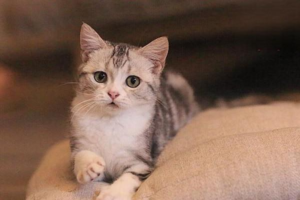
Causes and Types of Cat Anemia
Cat anemia arises from poor nutrition, parasites, leukemia or kidney disease, blood loss, bone marrow defects, and poisons such as onions or rodenticide, and is classified as regenerative (blood loss or hemolysis) or non-regenerative (marrow or systemic disease). A vet must identify the type and cause quickly because most underlying diseases have serious complications.

Little Secrets of the Hamster Body
Hamsters have poor but wide-angle, night-capable vision and very keen hearing, continuously growing teeth that need chew toys, cheek pouches that hoard food (and can inflame if not cleaned), and a male-only scent gland that needs regular cleaning to avoid blockage.

How Is Dog Anemia Treated? Can a Blood Transfusion Cure It?
Mild to moderate dog anemia is managed with iron- and protein-rich nutrition; drug- or toxin-caused types need stopping the drug or induced vomiting, and severe cases may need a transfusion or methylene blue for methemoglobinemia. Prevent it with safety on walks, no human food, and regular deworming.

European Hamster: An Introduction
The European (black-bellied) hamster looks like a common hamster but differs sharply in temperament. It is far larger — up to 34 cm and 900 g — nocturnal, fiercely solitary and wild, with strong territorial instincts and a true hibernation from October to March; it can live up to eight years and is now near extinction.

Doe Rabbit Estrus Cycle
A doe's cycle is not fixed — it runs about 6–15 days with each heat lasting 2–4 days, shaped by nutrition, light, and climate. Heat rates and shorter cycles peak in spring and early autumn with good light and mild temperatures; cold, low light, poor nutrition, illness, or stress can delay or stop heat. By age 4–5 the ovaries fade and cycling ends.

Types and Clinical Signs of Infectious Canine Hepatitis
By how it develops, infectious canine hepatitis has two types: respiratory (airway signs) and hepatitis (fast onset, clearer signs, often fatal within a day). Here are the types and clinical signs.

Several Situations That Cause Pet Pancreatitis
Pancreatitis is not common, but its frequency is rising, and it harms pets severely — pain, dehydration, organ damage, even death. Why do pets get it? Here is a detailed analysis.

What to Do When Dog Interdigital Dermatitis Won’t Heal
Interdigital dermatitis that will not heal is often from the wrong medicine or poor care during treatment, so the medicine does not work and the condition worsens. Here is the correct approach.

What Medicine Helps a Dog With Red, Itchy, Hair-Losing Skin
Red, itchy skin with hair loss in dogs is usually from a skin disease such as parasite bites, allergic dermatitis, ringworm, or eczema. The right medicine depends on the cause. Here is what to use.