Search Results
4113 results for “ear pH”

Symptoms of Feline Infectious Peritonitis
Feline infectious peritonitis (FIP) is a chronic viral infectious disease caused by the feline coronavirus, characterized by peritonitis, large amounts of ascites and abdominal distension. This article explains the symptoms and treatment of FIP.

Feline Histoplasmosis
Feline histoplasmosis is an intracellular fungal infection, usually limited to the respiratory and digestive tracts, characterized by cough, diarrhea, emaciation and mucosal ulcers. This article explains its symptoms and treatment.

Feline Coccidioidomycosis
Feline coccidioidomycosis is a fungal infection in cats characterized by cough and difficulty breathing. Cats are highly susceptible, mainly infected by inhaling airborne spores; the lungs are most severely affected, though other organs, especially bone, can be involved.
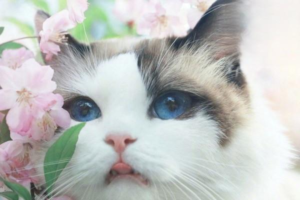
Features of Feline Hemobartonellosis
Feline hemobartonellosis, also called feline infectious anemia, is caused by Hemobartonella (a genus within Bartonella) that enters the cat and parasitizes red blood cells.

What Medicine to Give a Dog With a Cold
As temperatures drop and daily temperature swings widen, dogs with weaker immunity can catch colds, with sneezing, runny noses and fevers. This article explains how to recognize a dog cold and how to treat it safely based on the dog's weight.
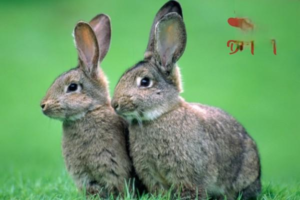
Factors That Affect a Doe’s Heat
A doe's heat is shaped by inside and outside forces: her ovarian cycle (follicular then luteal phase, induced ovulation, corpora lutea dissolving in 3–5 days if no conception), season and light (peak around the spring equinox at 12 h light, lowest in late December), green-feed supply (rich greens lift heat and conception above 80% in March–April), and mechanical stimulus from group housing. Sunny days raise heat and mating success; rain or snow lower them.
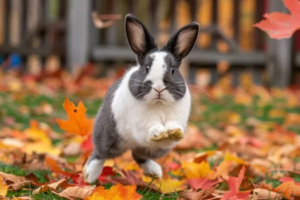
What Does a Doe in Heat Look Like?
A doe's heat is mostly induced by stimulus. Breed, age, health, climate, and environment all shape it — summer heat cuts appetite and heat rate, winter cold and scarce greens do too. In heat she turns excited and active: stomps, paws the floor, eats less or refuses food, mounts other does, and seeks the buck; her vulva goes pale at rest, pink early, deep red at peak with swelling, then purple-red. The cycle is 8–15 days, each heat 3–5 days; place her with the buck at the start. Neuter if not breeding.

Does Dog Teething Cause Heavy Drooling?
Drooling and a little bleeding in a teething dog are normal — new teeth constantly stimulate the salivary glands, and an unsteady bite from growing teeth adds drool. Watch for a retained baby-tooth double row and have it pulled after teething. Also note calcium shortage (shaking, drooling, double rows, even lameness if severe — add shrimp, kelp, tofu, calcium tablets) and mouth issues from messy diet or poor hygiene (ulcers, stomatitis, red gums, odor — clean after meals, brush 2–3 times a week, add B and E vitamins).

What to Do When a Cat Has Fatty Liver Disease
Cat fatty liver cannot heal on its own - it needs monitoring equipment and a vet's skill, like a nasal tube for an anorexic cat. You cannot cure it at home, and earlier is better. Here is how it is treated.

How to Care for a Cat with Fatty Liver Disease
Treating feline fatty liver has two stages: a stabilization phase and a long care phase. Stabilization needs hospital observation; care can be done at home. Here is what each involves.