Search Results
1542 results for “dog rest”

How Deadly Is Canine Parvovirus? It Comes Down to Three Factors
Canine parvovirus is a highly contagious disease that can kill, but the outcome is far from fixed. Survival depends largely on the virus strain, the dog's age and immune status, and how quickly treatment begins. While reported mortality ranges from around 10% to 80%, prompt veterinary care can push survival above 70%. Understanding the risk factors and acting fast makes the single biggest difference for a sick dog.

Thinking of a Golden Retriever? Know This First
The Golden Retriever is smart, gentle, and friendly, and with training can work as a guide or search dog. But it sheds heavily, drools, has a strong odor, eats a lot, and needs at least 1–2 hours of exercise daily or it turns anxious and destructive. It's also prone to hip dysplasia, obesity, ear infections, and eye disease. Know the real commitment before you bring one home.
Pet CoQ10 Red/Black List Thinking: Reading the Test Data
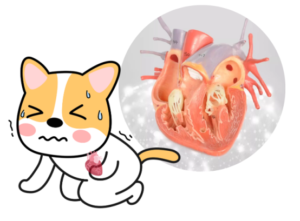
About 10% of dogs and 7% of cats develop heart disease in their lifetime, and the early signs are easy to mistake for normal aging or a cold — until diagnosis, when the damage is often irreversible. CoQ10 is frequently advised, but 'which one' is the hard part. This guide separates the real science from the marketing: what CoQ10 actually does, the drug it cannot replace, and the four hard metrics a product should meet.

Reading CoQ10 Test Data: What ‘Proven’ Should Mean
With so many CoQ10 products making bold claims, the only fair way to choose is to ask three questions: are the ingredients safe, is the content sufficient, and is there authoritative data behind the effect? This guide explains what genuinely 'proven' looks like, what a deeper formula contains, and why the right physical form matters as much as the formula for real-world feeding.

CoQ10 for Pets: What It Is and How to Choose a Quality Supplement
Coenzyme Q10 (CoQ10) is a fat-soluble compound that helps cells produce energy, and it is concentrated in the heart, kidneys, liver, and brain. As cats and dogs age, their ability to make CoQ10 declines, which is why it is often discussed as a heart-support supplement. This guide explains what CoQ10 does, which pets are most likely to benefit, how to judge a supplement's real quality, and practical feeding tips — so you can make an informed choice instead of relying on marketing claims.
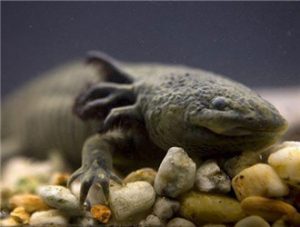
Chinese Giant Salamander
The Chinese Giant Salamander (Andrias davidianus) is one of the world's most precious amphibians, a Class II protected aquatic wildlife in China, nicknamed the 'baby fish' for its cry like an infant. Fierce and agile, in captivity it can live 50-60 years. It is carnivorous, swallowing prey whole.
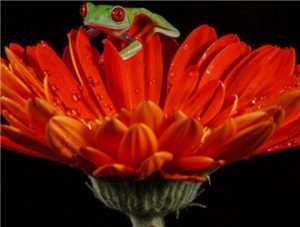
Red-eyed Tree Frog
The iconic big-eyed, green-and-orange hylid of Central American rainforests - fully nocturnal and a live-food specialist. An amphibian, not a reptile.

Cobalt Blue Tarantula
The Cobalt Blue tarantula (Haplopelma lividum) is a stunning but reclusive, fast and defensive burrowing Old-World tarantula from Myanmar and Thailand. Its famous blue shows only under strong light, and it hides deep in its burrow.

Red-headed Side-necked Turtle
The red-headed side-necked turtle (Platemys platycephala) is a flat-headed South American side-neck from the Amazon and Orinoco basins, with a dark orange-red head. Shy and cold-sensitive, it is best kept much like a box turtle.
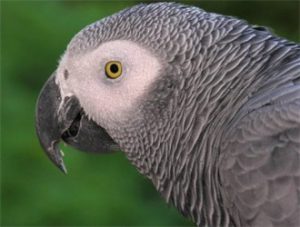
African Grey Parrot
The African grey parrot (Psittacus erithacus) is a large parrot and a typical perching bird, famous as one of the few animals that can truly hold a conversation with humans, with very high intelligence and a lifespan around 50 years.