Search Results
1542 results for “dog rest”
What to Do When Your Golden Retriever Has Arthritis
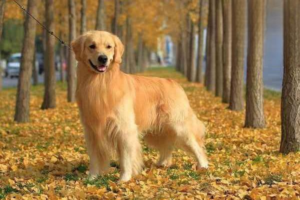
In damp or cold weather, a Golden Retriever with arthritis may whine when joints ache, shy away if the sore spot is touched, and lick or chew at the painful joint. Arthritis is common in large breeds like Goldens, but it can be managed. Weight control, gentle movement, and the right joint support make daily life easier.

Emergency Care for a Pet With Heatstroke
Dogs cool only through their paw pads and tongue, so a thick coat turns summer into a sweater; heat, humidity, no water, hard exercise, or even clothes and shoes can tip them into heatstroke. Know the signs, and if you cannot reach a clinic, cool the body safely while rushing for help. This guide covers causes, symptoms, and emergency steps.

Papillon Temperament and Care
The Papillon is a small, elegant European breed named for its butterfly-like ears. Weighing just 3 to 5 pounds, it has a soft, flowing coat in white, black, brown, or patterned colors. Despite its size, the Papillon is lively, affectionate, and highly intelligent. These dogs bond closely with their families, greet strangers kindly, and adapt to apartments or houses alike. They are quick to learn and enjoy training, games, and companionship. Because they are active and curious, they need daily exercise, mental stimulation, and regular grooming. A balanced diet, routine veterinary checks, and social interaction keep a Papillon healthy and happy. With the right care, this bright little companion becomes a devoted, joyful member of the household.
Spaying and Neutering for a Longer Bond
Neutering does more good than harm: it lengthens life by slowing organ aging, cuts cancer risk, and reduces roaming, howling, and fighting. Prepare with fasting and the right timing (after first heat, not during), and care post-op with rest, warmth, wound cleaning, and an E-collar. Males are best done at 7-8 months, females after their first cycle.

Why People Are More Tolerant of Cats
Regulators treat dogs more strictly than cats, and it starts with ancestry. Dogs descend from wolves and, without a human 'alpha,' can revert to aggression and form hunting packs, so large breeds are restricted. Cats domesticated themselves, stay solitary, and rarely attack people, so rules are looser. Leash and muzzle your dog regardless.
What to Do When Your Cat Is Too Aggressive
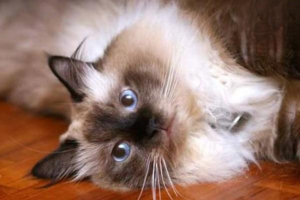
Unlike dogs, cats won't obey blindly; their independent nature means a small mistake can bring gentle retaliation. Some owners are baffled about how they upset their cat. This article explains what triggers feline aggression, from fear and threat to pain and illness, and how to train a cat out of biting and attacking.

Why Is My Hamster Losing Fur?
Hamsters have less fur than cats or dogs, but they still shed, and hair loss often points to an underlying health issue. Seasonal molting is normal and the coat regrows quickly. Older hamsters naturally thin out and won't recover even with coat supplements. A poor diet, too few vitamins or unbalanced fats, triggers hormonal imbalance and shedding, so feed quality pellets and limit treats. Cramped cages cause stress and friction hair loss, and skin disease or parasites also contribute; treat parasites with a dewormer made for small pets.

Naming Your Tibetan Mastiff: Tips and Ideas
The Tibetan Mastiff is one of the world's most famous and majestic dog breeds, once kept only by Tibetan nobility and monastery owners and often called the 'Oriental Lion Dog.' Because a dog's name, once chosen, usually cannot be changed, picking the right one deserves the same seriousness as naming a child. This guide walks through practical ways to name your Tibetan Mastiff—from easy-to-pronounce sounds to names inspired by notable figures, the breed's heritage, your favorite foods, or a more personal touch—so you and your pup both feel good about the call.
What happens when a Teddy (Poodle) can’t find its owner?
When a Poodle can't find its owner at home, it becomes low, anxious, and barky, and over time may urinate or defecate around the house from stress, along with destructiveness, poor appetite, and lethargy. Outdoors, it usually tracks the owner by nearby scents, and a smart dog may wait in place or follow its usual route home.

Canine Hip Dysplasia: A ‘Destiny’ for Large Breeds?
Hip dysplasia is a hereditary joint fault where the ball and socket fit poorly, loosening the joint and eventually causing arthritis. Large breeds like Golden, Lab, and Shepherd are most at risk. Early signs are subtle—occasional hind-limb limping, slow rising, reluctance on stairs—while advanced cases show a swaying gait and muscle loss. X-rays and PennHIP confirm it; weight control, gentle exercise, joint supplements, and vet-guided pain care slow its course.