Search Results
1542 results for “dog rest”
Why Are Cats Raised by Elderly Owners So Calm and Obedient?
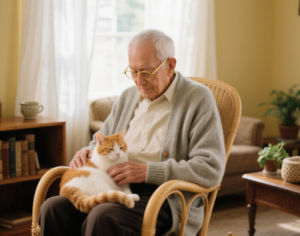
Cats kept by elderly owners often seem gentler and more obedient than the lively pets raised by younger people, and the reason is rooted in pet behavior science. Cats love calm, predictable routines, and an older person's slow, regular daily rhythm gives them a sense of safety that lowers their guard. Seniors also provide the 'effective companionship' cats value most—short, low-intensity interactions like petting and soft talk scattered through the day—rather than infrequent marathon play sessions. On top of that, elderly owners tend to be gentle yet consistent: they neither shout nor overindulge, setting clear rules while offering unconditional acceptance. This calm, secure environment lets a cat relax and show its sweetest side.

How to Train a Golden Retriever to Retrieve?
Golden Retrievers are smart and eager to please, which makes them relatively easy to train. Teaching your dog to fetch and carry objects starts with building trust, choosing safe toys, and picking one clear verbal cue like "fetch." Use positive reinforcement—praise or a small treat—when your dog responds correctly, and gradually increase the distance and difficulty. Keep sessions short, fun, and patient, then reinforce the skill in daily life through games and light carrying tasks. Consistent, reward-based training helps your Golden master retrieving faster.
Do cats have periods (menstruation)?
Cats do not menstruate, but they do go into heat. Unlike dogs, they do not bleed from the vulva; instead they show vocalizing, restlessness, inappropriate urination and interest in mates.
Foods You Should Never Feed Your Cat
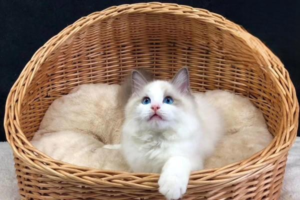
Cat food is the safer choice over table scraps because it is balanced for a cat's needs, while homemade meals are hard to get nutritionally right. Some human foods are downright dangerous for cats. Allium vegetables - onion, scallion, garlic, leek - cause vomiting, diarrhea, anemia, and bloody urine, and the toxins survive cooking; avocado brings similar dangers and can be fatal. Chocolate causes diarrhea and vomiting and, in quantity, sudden death. Raw eggs can trigger diarrhea, skin, and eye problems (cooked is fine); shellfish can cause skin disease; and dog food lacks taurine, so long-term feeding leads to taurine deficiency. Milk and fish are okay in small amounts, but go easy on high-magnesium dried seafood to avoid stones.
Pet CoQ10 Supplements Reviewed: Picking One That Genuinely Supports Heart Health
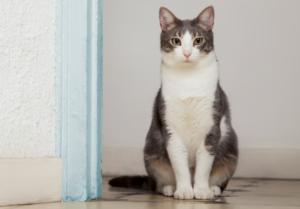
CoQ10 is a popular supplement for pets with heart conditions, but it supports heart function rather than curing disease. It helps the heart muscle generate energy, mildly slows heart failure, and supports immunity and vitality. Yet the market is full of weak or mislabeled products—industry figures suggest most pet CoQ10 labels either understate or omit the actual content, and some use industrial-grade raw materials. When choosing a supplement, look for verified CoQ10 content (ideally backed by independent testing), natural fermentation sources, and a clean antioxidant formula, matched to your pet's age, breed risk, and symptoms. Used alongside veterinary treatment, a quality CoQ10 can be a valuable part of heart care.

Canine Infectious Hepatitis: Can It Be Treated
Canine infectious hepatitis is an acute, often severe viral disease of dogs caused by canine adenovirus type 1 (CAV-1). It spreads through urine, saliva, and nasal discharge and hits weaned puppies hardest, sometimes with no warning signs. Typical signs include a fever that rises then falls, lethargy, vomiting, diarrhea, and a characteristic cloudy "blue eye" in about a quarter of recovering dogs. While there is no direct cure that eliminates the virus, most dogs recover with prompt supportive care such as fluids, liver protection, and antibiotics to control secondary infection. The good news is that the disease is highly preventable through routine vaccination, with puppy shots given at 8-9 and 10-12 weeks and annual boosters for adults.

What Pet Owners Should Know About Rabies
Rabies is a viral disease that infects dogs, cats, and people, and because a rabid dog can harm humans, it demands serious attention. The virus travels along nerves to the brain after a bite, and once signs appear the outcome is almost always fatal. Prevention through vaccination and prompt wound care is the only real defense.

What Is Canine Methemoglobinemia
Familial methemoglobinemia is an inherited defect in the enzyme that converts methemoglobin back to normal hemoglobin, so a dog's blood carries less oxygen. The hallmark is a persistent bluish discoloration of the gums and chocolate-brown blood. Most affected dogs live for years with few signs, but oxidant exposure can turn it dangerous.
Reading Your Cat’s Mood Through Its Tail
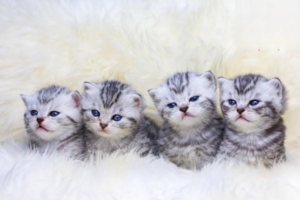
Cats have far fewer facial muscles than dogs or people, so they look 'poker-faced' - attacks or escapes can seem to come from nowhere. But the tail is the open window to mood. A puffed, bristling tail means fear or threat; a tail tucked between the legs signals extreme fright and insecurity; a vertical tail with a hooked tip is a happy greeting; a high straight tail showing the rear is confident love; a gently swaying tail means 'I hear you'; and a tail lashing side to side is irritation, not joy like a dog's wag. Read the tail and you will understand the cat.

What Is Canine Hemophilia A
Hemophilia A, also called factor VIII deficiency, is an inherited bleeding disorder in dogs. Affected dogs lack the clotting protein factor VIII, so they bleed easily and cannot form clots normally. It is X-linked recessive, mostly affects males, and currently has no cure, only lifelong management with clotting-factor replacement.