Search Results
527 results for “dog play bow”

What to Do When Your Dog Gets Cars Sick
More hotels and attractions now welcome pets, but some dogs still get car sick - drooling, labored breathing, vomiting, even loss of bowel control and limp limbs. The good news is you can help your dog overcome it. Start by letting the dog adapt to the car with short, smooth trips and its own bed for security; then practice sitting in a running (but stationary) car and finally slow drives with calm reassurance. If sickness strikes, slow down, open a window for air, and use a vet-approved sedative or motion pill after stopping.

Basic Training Every Dog Owner Should Know
A newly arrived dog brings plenty of challenges, but dogs are highly intelligent and most problems come from simple misunderstanding. With patient training, nearly everything can be solved. This article covers three practical areas: command training (sit, shake, down), resource guarding around food, and housebreaking to a designated spot. Using treats, toys and clear timing, you can teach your dog what you expect. For stubborn cases in large breeds, professional trainers are the safe choice. Consistency and patience are the real secrets.

Getting Your Dog to Eat Calmly From the Bowl
How you feed shapes who is boss. If you drop the bowl the moment an excited dog dashes over, the dog learns it rules and you are just the server, which fuels disobedience. Wait until the dog is calm, and lift the bowl when it bolts its food, to build polite, leader-led mealtimes.

Why a Dog That Stops Moving in Winter May Have Arthritis
As the deep cold of winter sets in, some owners notice their dog no longer wants to go out or play, blaming the weather, but the real cause may be osteoarthritis. OA affects 30 to 50 percent of dogs and cats and is not only age-related; even young dogs can develop it, with breed, age, sex, weight, and genetics all playing a role. It is a whole-joint disease where cartilage breakdown outpaces repair. Signs include less activity, stiffness after rest, painful swollen joints, and irritability. Management combines weight control, sensible exercise, NSAIDs for pain, and therapy with joint supplements.

How to Tell If a Cat and Dog Can Live Together
Cats and dogs fight mainly because of their natures, so owners who want both should understand why they clash before helping them get along. Cats are solitary and wary, dogs are social and curious, and a dog's size and prey drive can frighten a cat. Their body language also differs: a dog's wagging tail is friendly, but a cat's is a warning. They also compete for food and attention. The good news is many learn to coexist with patience: raise them young together, give each its own safe space and feeding area, swap scents first, choose calm breeds, and stay neutral as the owner.

How to Prevent Gastric Ulcers in Dogs
A gastric ulcer in dogs is a chronic sore between the cardia and pylorus that can penetrate the full thickness of the stomach lining, and most cases trace back to serious illness such as kidney failure or tumors. They arise from stress, drug side effects (especially NSAIDs and steroids, with ibuprofen especially dangerous), excess acid, poor feeding, or toxins and other diseases. Signs include vomit that looks like coffee grounds, belly pain, weight loss, and black tarry stools. Diagnosis uses blood work, X-ray, ultrasound, and endoscopy, and treatment targets the cause while curbing acid with antacids and acid blockers.
Why Dogs Resist the Crate and How to Help
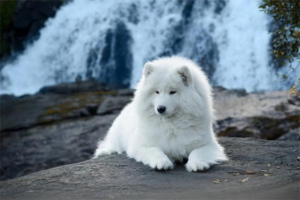
Dogs resist the crate for a few reasons: it feels strange and limits freedom, it is uncomfortable, or the dog wants something like play. To reduce resistance, use a properly sized, cozy crate that lets the dog turn around, build security with familiar scents, and limit crate time so the dog does not become frustrated. Crates are useful when you are out, but otherwise let the dog roam freely.

Common Bone and Joint Diseases in Dogs
Poor care often deforms a dog's legs. Know the risks: hip and elbow dysplasia in retrievers and shepherds, osteochondrosis in large fast growers, femoral head issues in small breeds, and degenerative joint disease eased by weight control, gentle exercise, and glucosamine. Home setup matters too, slippery floors and stairs cause lasting damage.

Why Your Dog Sheds and Stays Thin
Shedding plus failure to gain weight often points to parasites. Black specks in the coat mean fleas and call for external deworming; eating well but staying thin suggests internal parasites; scratching, scooting, mite-related patchy loss, or worms in stool all signal infestation. Puppies need deworming from 40 days, adults every three months, and more often if exposed.
Why Does Your Dog Smell So Bad?
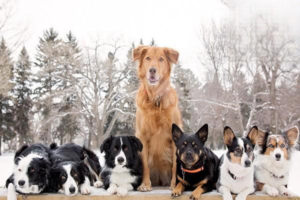
No matter how much you love your dog, the odors it carries can be hard to love. Many owners wonder why their dog smells, and the causes are not always obvious. A bad smell can signal a health problem, from wet-coat yeast and bacteria to ear infections, skin-fold dermatitis, gas, and impacted anal glands. Knowing where the odor comes from helps you treat the root cause instead of just masking it. Regular bathing and grooming, plus simple odor absorbers, can handle everyday smells that are not linked to illness.