Search Results
527 results for “dog play bow”
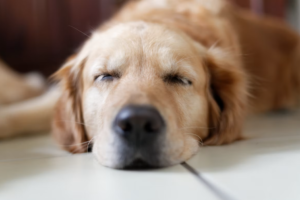
Why Is My Dog So Sleepy in Summer?
Many dogs seem lazier and sleep far more once summer arrives. In most cases this is a normal response to heat—dogs cool themselves mainly by panting and through their paw pads, so they naturally slow down to avoid overheating. However, persistent lethargy paired with panting, a rising temperature, or appetite loss can signal heatstroke or illness. Keep your dog cool, hydrated, and walk them during cooler hours to stay safe.
Why Dogs Drink Less in Cold Weather (and Why It Matters)
As temperatures drop, many dogs drink far less, but winter dehydration is no minor issue — it can concentrate urine, form mineral crystals, and lead to urinary tract infections, stones, or even blockages. Low water also slows digestion and causes constipation, strains the kidneys, and thickens the blood, burdening the heart. A healthy adult dog needs 40–60 ml of water per kg daily, and no less than 30 ml/kg in winter. To encourage drinking, offer warm water (28–40°C), add a splash of something tasty like broth, place bowls around the home, use a flowing fountain, and boost activity on sunny days so your dog drinks after exercise.

Is Dog Regurgitation Normal?
Regurgitation—when a dog brings food back up shortly after eating and re-chews it—is usually a normal part of digestion, especially in dogs that eat too quickly. It helps break food down and improves nutrient absorption. However, frequent regurgitation can also signal indigestion, a diet too greasy or low in fiber, or stress and anxiety. In most cases there is no need to worry, but if regurgitation is accompanied by vomiting, loss of appetite, or happens repeatedly, it may point to a digestive problem that needs a vet's attention. Adjusting feeding habits and food quality is the best prevention.
How to Stop Your Dog From Eating Poop
The old saying that a dog can never be trained out of eating stool is unfair - coprophagia can be corrected with patience. The first move is to remove the opportunity: clean up after every bowel movement and keep the dog on a leash and in sight on walks so it cannot snatch another dog's waste. If you catch the behavior, interrupt and correct it calmly without physical punishment, and use gentle training to redirect it. You can also make stool less appealing by adding a taste it dislikes, then letting the dog investigate. Finally, rule out hunger: feed regular, balanced meals so the dog is never driven to eat stool by an empty stomach.
Daily Hygiene and Disease Prevention for Dogs
Every disease has a cause, and good daily management can remove many of those causes before they harm your dog. The principle of prevention over treatment is central to responsible dog keeping. Food safety, clean living quarters, and a tidy environment are the three pillars that lower the cost of illness.
How to Choose a Good Dog Boarding Home
Home boarding - paying someone to care for your dog - can beat a cage at a shop, but pick well. Seven points: choose a professional, hygienic boarding home and visit in person to see solid fixtures and calm, well-managed dogs (avoid shops mixing small, large and aggressive dogs). Pack your own food, probiotics for sensitive guts, and the dog's bowls, bed, blanket and pads. Tell the host everything - habits, diet, temperament, special needs. Sign a boarding agreement and read it, since infection risk is highest there. Check vaccines are current and boost a week before if expired. Keep the first stay under five days, as dogs are social and may think they were abandoned, turning gloomy and harming health. A good environment with dog company and a set routine supports well-being.

Why Dogs Get Diarrhea and What to Do
Most dog diarrhea comes from feeding mistakes, not a fragile gut. Overfeeding (dogs eat to bursting - feed set amounts, about 80% full), eating too fast (use a slow bowl; short-necked breeds that cough should be checked), post-meal running (walk gently after 30 minutes), and irregular meals (split into 2-3 feeds) all trigger it. Food issues: the wrong main kibble, a gut that prefers meat, or lacking fiber from a little veg. Stress - bad food transitions, frights, new places, vet visits - also causes it; switch gradually to a similar formula. What to feed: probiotics for transition/stress diarrhea, digestion tablets for overeating, B vitamins for gut health. Stop hard-to-digest food, fast one day if severe (keep water), and never soy or corn. Black stool = upper bleed, red = lower bleed, rice-like particles = worms - bring a sample to the vet.
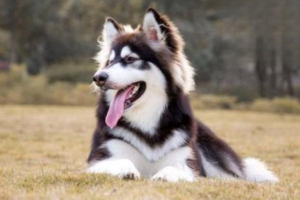
What Every New Dog Owner Should Know
Bringing a puppy home is exciting, but a few common mistakes can make a dog sick or afraid. The first weeks are about helping the dog settle in safely: hold off on baths and rich foods, keep it on a leash, and don't rush parasite treatment. With the right supplies and a calm start, new owners set their dog up for a healthy life.
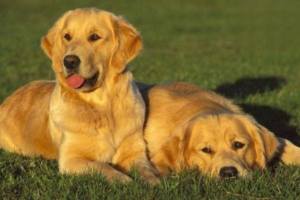
Why Does Your Dog Fart So Much?
All mammals pass gas - it is normal. But frequent, smelly farts can signal declining health. Seven common causes: overeating treats or cold drinks causing indigestion; too little exercise slowing the gut; eating too fast swallowing air; abrupt diet changes upsetting gut bacteria; excess meat protein fermented into amines (the real stink source); gas-producing foods like ginger, garlic, sweet potato and potato; and poor constitution where fermentation finishes too fast. Most are fixed by portion control, exercise, slow feeding and gradual diet changes.
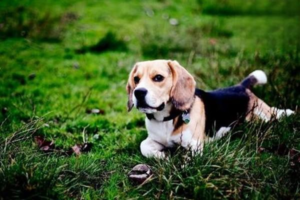
How to Stop Your Dog From Peeing Everywhere
A dog treats the whole world as its toilet, but at home that is unacceptable - and scolding alone never works because the dog simply does not know. Inappropriate urination has many roots: territory marking (common in adult males), no house-training, revenge moved to the sofa after being yelled at, unclear home boundaries, attention-seeking, fear from abuse, post-neuter incontinence, or illness. The fix is patient positive training: indoor spot training, outdoor training, and never hitting the dog. Holding urine over eight hours harms the kidneys, so leash up and clean up on walks.