Search Results
527 results for “dog play bow”

8 Common Health Issues in Senior Dogs
Aging brings: (1) hearing/vision loss—train hand signals, leash outdoors, pad the home; (2) arthritis (osteoarthritis) in weight-bearing joints causing pain on walks/stairs—vet care; (3) kidney disease, often chronic, with thirst, more urine, nausea, lethargy—manage, not cure; (4) incontinence from organ/muscle/nerve decline—vet check, more walks; (5) obesity raising arthritis/heart/diabetes risk—cut food, keep gentle exercise (walks, swim); (6) dementia (disorientation, anxiety, poor sleep)—meds for quality; (7) lumps/tumors, mostly benign—let the vet judge; (8) cancer, common and varied—regular checkups catch it early. Older dogs need closer diet and exercise management, and more patience.

Fruits and Vegetables Dogs Should Not Eat
Safe in moderation: apple (no seeds), banana, blueberry, watermelon (seedless). Neutral but unnecessary: cantaloupe, kiwi (peeled), peach/plum/pear (no pits), lychee (no pit) — all sugary. Avoid or dangerous: grapes (acute kidney failure, can kill), macadamia (neuro/muscle, life-threatening), mango, cherry (pit), avocado (persin), pineapple, guava, lemon, star fruit (kidney), sugarcane (chokes). Vegetables: good—carrot, broccoli, bitter melon, pumpkin, sweet potato; always cooked/plain and small.

Why a Dog’s Nose Loses Color in Winter
'Snow nose' is a normal winter fading of nose pigment, not a disease—common in Huskies, Malamutes, Goldens, and Labs. Cold lowers tyrosinase activity, so less melanin is made and the nose lightens; it returns on its own in summer. To keep the black nose, add fish oil or kelp, swap plastic bowls for stainless (plastic can irritate sensitive noses), and get sunlight (UV boosts the enzyme). But easy-snow-nose dogs have little melanin to begin with and burn easily, so avoid summer overexposure and use nose sunscreen.

Dog Is Bloated but Not Defecating — What to Do
A dog with a swollen belly that will not pass stool is usually constipated, but the underlying reason matters: it could be simple indigestion, a bowel blocked by a swallowed object, too little exercise, or a painful condition that makes the dog hold back. Matching the cause to the fix prevents a minor issue from becoming an emergency. This guide lists the common causes and the practical steps—water, probiotics, exercise, and portion control—that get things moving again.

How to Manage Chronic Indigestion in Dogs
Recurring indigestion in dogs is often linked to poor diet, food allergies, or conditions like gastroenteritis. Managing it starts with the right food: choose an age- and health-appropriate dog food, avoid greasy, spicy, or irritating human foods, and add vegetables, fruits, and fiber to support gut movement. Probiotics or digestive enzymes can aid digestion, while clean bowls and fresh water prevent contamination. Feed smaller, more frequent meals, transition diets gradually, and take your dog for a gentle walk about half an hour after eating to stimulate the gut. Persistent or worsening signs warrant a veterinary visit.
Different Types of Vomiting in Dogs
Dog vomiting falls into three patterns. Single vomiting happens once and resolves, often from overeating or exercise right after eating, though stress-induced cases need monitoring. Persistent vomiting repeats frequently with bile, intestinal contents, or blood—pointing to acute gastroenteritis or blockage. Long-term intermittent vomiting recurs cyclically and suggests chronic gut issues, irritable bowel, or metabolic disease.

Dog Food Safety: Harmful Foods to Keep Away from Your Dog
A healthy dog starts with a safe, balanced diet. The single most important rule is to keep harmful foods out of your dog's bowl. Certain everyday items—sharp cooked bones, too much animal liver, onions and garlic, chocolate, and allergenic seafood—can damage your dog's digestive tract or even prove toxic. Cooked bones can tear the stomach or intestine; excess liver causes vitamin A poisoning; alliums trigger the destruction of red blood cells; chocolate's theobromine is dangerous in quantity; and seafood often sparks allergic diarrhea. Learning these common dietary taboos helps you protect your dog from acute poisoning, internal injury, and chronic health issues, and keeps mealtime both safe and nutritious.

Why Does Your Dog Keep Passing Smelly Gas?
A few farts a day are normal—gut bacteria make gas as they ferment food. But frequent, foul gas points to diet, fast eating that swallows air, an unbalanced gut flora, or illness like IBD, pancreatic trouble, or parasites. Fix it with a quality low-filler diet, a slow-feeder bowl, daily exercise, belly massage, and pet probiotics. If gas comes with diarrhea, vomiting, or weight loss, see a vet.
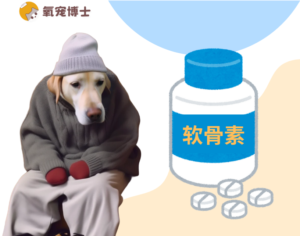
What Is Chondroitin for Dogs, and Who Needs It?
Chondroitin, or chondroitin sulfate, is a natural compound in cartilage that feeds joint cells, locks in joint fluid, and calms inflammation. Healthy young dogs get enough from food, but seniors, large breeds, dogs with joint-prone genetics, the obese, and hard-working dogs benefit from supplements—ideally paired with glucosamine and omega-3. It supports, not replaces, veterinary care for real joint pain.
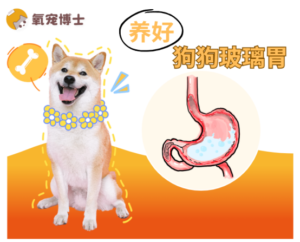
How to Care for a Dog with a Sensitive Stomach
A weak gut hurts more than digestion—it drags down nutrient uptake and immunity. Causes range from sudden diet changes and parasites to infection, chronic gut disease, and stress. The fix is a gentle, single-source diet on a fixed schedule, a careful transition to new food, light toppers like pumpkin or boiled chicken, and pet probiotics. Keep the belly warm and add gentle exercise; see a vet for persistent vomiting, blood, or lethargy.