Search Results
199 results for “dog cold weather”

Why a Dog’s Nose Loses Color in Winter
'Snow nose' is a normal winter fading of nose pigment, not a disease—common in Huskies, Malamutes, Goldens, and Labs. Cold lowers tyrosinase activity, so less melanin is made and the nose lightens; it returns on its own in summer. To keep the black nose, add fish oil or kelp, swap plastic bowls for stainless (plastic can irritate sensitive noses), and get sunlight (UV boosts the enzyme). But easy-snow-nose dogs have little melanin to begin with and burn easily, so avoid summer overexposure and use nose sunscreen.

Why Does Your Dog Snore?
Snoring is air vibrating through the throat, nose, and pharynx; a low, steady sound is normal, but loud snoring means an abnormally narrow airway. Causes: respiratory illness (cold, rhinitis, tracheitis—watch for cough, sneeze, runny nose, lethargy, hard breathing), breed (flat-faced dogs like French/Boston Bulldogs have tiny nostrils and long soft palates, so they snore and need weight control plus avoiding heat and sudden exercise), environment (cold air or dust narrowing airways), and sleep pose (back-sleeping worsens it—use a round bed to discourage it).
How Climate Change Affects Dogs
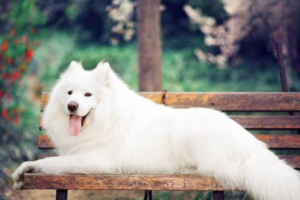
Autumn is the most comfortable season, loved by people and dogs alike. Notice that whenever weather changes, a dog's mood shifts noticeably. Heat: most dogs grow listless in hot seasons, preferring the AC; short-nosed breeds lose many companions each summer, and double-coated dogs struggle (owners go mad from shedding)—they need regular brushing for airflow. Cold: dogs turn lazy in severe cold, especially short-haired and lean breeds lacking insulation; long-haired and double-coated dogs thrive. Low pressure: dogs sense weather via air pressure and can foresee storms; the AVMA found pressure changes strongly affect behavior—restlessness, even aggression, or unusual excitement before storms. This doesn't permanently change behavior, but comfort an intense reactor. Do dogs get depressed? A UK vet charity survey found 40% of UK dogs show winter mood drops, suspected of Seasonal Affective Disorder (SAD); affected dogs sleep more and move less, and sunny outdoor time (as in human SAD treatment) eased symptoms—because winter SAD comes from extra melatonin, the sleep hormone, which sunlight stops the pineal gland from releasing.
Preventing Autumn Diarrhea in Dogs
Dogs can get diarrhea in any season, usually from poor feeding habits or a habit of chewing whatever they find. Frequent bouts leave the gut fragile and hold back healthy growth, so prevention matters most when the weather turns. In autumn, sharp day-and-night temperature swings, a seasonal rise in infectious disease, and faster food spoilage all raise the risk. A warm sleeping spot, up-to-date vaccinations, and fresh, properly handled food are the three habits that keep a dog's stomach settled through the change of season.
What to Do When Your Dog Has Frequent Diarrhea
Frequent dog diarrhea usually traces to one of four causes: a chilled stomach from cold weather or cold food, intestinal parasites (look for worms in the stool), gastroenteritis (viral or bacterial), or simple overeating and dietary indiscretion. Warming the dog and adding a probiotic helps mild cases, deworming treats parasites, and a vet may use anti-diarrheals plus antibiotics for gastroenteritis. Persistent, bloody, or accompanied diarrhea needs prompt veterinary care.
What to Do When a Dog Vomits from Getting Chilled
A dog that vomits after getting chilled needs a vet check first to rule out viral disease (distemper, parvovirus, coronavirus) or a swallowed foreign object. If those are excluded, the cause is likely ordinary gastric upset. Withhold food and water briefly, keep the dog warm, and offer easily digested food once vomiting stops; probiotics and steady warmth prevent recurrence.

Why Do Dogs Develop Rheumatism?
The exact cause of dog rheumatism is unclear, but it is now seen as an autoimmune reaction to repeated streptococcal infection, with cold, damp, rain, and overexertion as common triggers; it often returns during respiratory illness, sudden weather shifts, or after getting chilled. It appears as muscular or joint forms, causing pain, stiffness, swelling, and lameness that can shift around, and it cannot be cured, only managed. Care means a dry warm bed, balanced nutrition with calcium, and limited exercise, with veterinary anti-inflammatory and analgesic treatment during flares.

Degenerative Arthritis in Dogs and Cats: Symptoms, Treatment, and Prevention
Degenerative arthritis (osteoarthritis) is non-suppurative wear of joint cartilage from years of uneven load, more common in older pets. It causes pain, stiffness, limited motion, and lameness that worsens with activity and cold weather. Weight control, controlled exercise, pain relief, and surgery in severe cases manage it.

When Your Dog Pants After a Short Walk: A Heart-Health Warning
Panting after brief exercise can be normal, but a formerly active dog that tires after a few steps, pants without exertion, coughs at night, or shows blue gums may have heart disease. Veterinary heart assessment and early care greatly slow progression.
Frostbite in Dogs and Cats
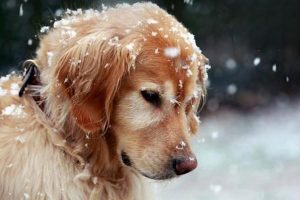
Frostbite is tissue injury from prolonged cold, most often on the tail, ears, paws, and penis. It causes redness, then bluish swelling, and in severe cases skin or even bone death. Rewarming and preventing infection are the main goals.