Search Results
199 results for “dog cold weather”

How Long Does a Dog’s Cold Take to Heal?
A dog cold usually clears in one to two weeks with warmth, good nutrition, and the right medication — faster with clinic injections. The recovery clock depends on the dog's own immunity, and a cold must not be mistaken for distemper.
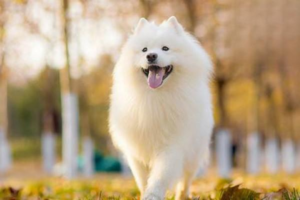
Autumn Care Tips for Your Dog
Autumn means more parasites, bigger temperature swings, coat change, and easy chills. Stay on top of internal and external parasite control, add a warm blanket and balanced nutrition, and keep a probiotic handy for loose stools.

Should You Dress Your Dog in Winter? The Pros and Cons
Coats keep short-haired, frail, or senior dogs warm and shield fur from dirt and germs — but on long-haired dogs they cause matting, and tight or rough fabric can trigger skin allergies and chafing. Choose loose, comfortable clothing if you dress them at all.

A Winter Care Guide to Keeping Your Dog Warm
Winter warmth is the top concern for dog owners, yet many fall into traps. Meet higher protein needs, keep water and probiotics up, and use rugs, proper clothing for short-coated breeds, and safe sunlight to stay warm.

Why Is Your Dog Panting Rapidly with a Trembling Belly?
Rapid breathing with a shaking belly can be normal — after exercise, in heat, or from excitement — or a sign of illness such as a respiratory infection, pneumonia, or heart trouble. Match the pattern to the cause; see a vet for pneumonia or heart disease.

Kennel Cough: Symptoms and Prevention
Kennel cough (canine infectious respiratory disease) spreads fast in groups and hits puppies, seniors, and weak dogs hardest, especially in cold weather or after a visit to a pet store or clinic. Tell it by a frequent harsh dry cough with gagging while the dog is otherwise normal, and prevent it with good airflow, regular disinfection, isolating new arrivals, and vaccination.

How to Raise a Healthy, Fast-Growing Puppy
Raising a dog well means a cozy den, regular feeding and walks, early training, and prevention ahead of illness. For a new puppy: ease the first-night nerves with familiar bedding near you, feed 3–4 small meals (milk replacer or softened pup food), skip baths until vaccinated, teach toilet spots patiently, and keep it out of AC drafts and outdoors until its shots are done.

Complete Summer Pet Care Guide
Summer raises five common risks for pets, heart trouble, colds, skin disease, heatstroke, and stomach upset, so manage exercise, cooling, and food hygiene carefully. Keep water available, avoid midday walks, and never leave a pet in a parked car.

How to Keep Pets Warm (Without the Common Mistakes)
Dogs stay comfortable roughly between 0–25°C and self-regulate, so over-bundling can backfire. Skip space-heater overuse, only clothe frail, young, old, or post-birth pets, and keep short, sensible outings instead of locking them indoors.

How to Keep a Puppy Warm in Winter
Young puppies have almost no fat reserve and chill easily, so line the bed with old blankets, keep the sleeping area above 13°C, and block every draft. Sunlight, a little extra fat- and vitamin-A-rich food, and avoiding cold drafts all build cold resistance; first-time owners are better off waiting for warmer weather before bringing a puppy home.