Search Results
199 results for “dog cold weather”
Why Dogs Drink Less in Cold Weather (and Why It Matters)
As temperatures drop, many dogs drink far less, but winter dehydration is no minor issue — it can concentrate urine, form mineral crystals, and lead to urinary tract infections, stones, or even blockages. Low water also slows digestion and causes constipation, strains the kidneys, and thickens the blood, burdening the heart. A healthy adult dog needs 40–60 ml of water per kg daily, and no less than 30 ml/kg in winter. To encourage drinking, offer warm water (28–40°C), add a splash of something tasty like broth, place bowls around the home, use a flowing fountain, and boost activity on sunny days so your dog drinks after exercise.
Places You Should Never Leave Your Dog Alone
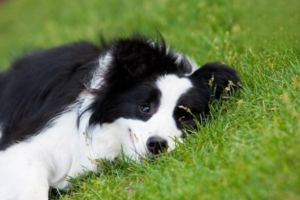
Several spots are dangerous to leave a dog alone: balconies (heat, cold, falls), sealed storage rooms (poor air, falling objects), near electrical rooms (urination hazards), bathrooms (toxic products), and cars (rapid heatstroke and suffocation). When in doubt, leave the dog safely at home.

Common Illnesses Dogs Face in Summer
Summer raises a dog's risk of heart trouble, colds, skin pests, gut disease, and heatstroke, with flat-faced and senior dogs most vulnerable. Keep exercise moderate, food fresh, parasites controlled, and never let a dog bake in the heat.

Winter Dog-Care Myths: Clothes, Heating Pads, Overfeeding, and Boots
Common winter mistakes are dressing every dog (double-coated breeds like Huskies need no clothes), using unsafe heated beds, overfeeding because the dog is less active, and leaving boots on too long, which breeds fungus and warps the gait. Dress only short-haired or single-coated dogs in breathable cotton, and keep portions steady through the cold months.

Common Winter Feeding Mistakes for Dogs
As temperatures drop, many owners overfeed their dogs to 'build winter fat,' but that backfires. The real winter risks are digestive upset from sudden diet changes, pancreatitis from too much meat, obesity from sweets, and dehydration from dry indoor air. Keep portions steady, offer warm water under 20°C, and aim for balanced, smaller frequent meals with regular exercise.

How to Treat Arthritis in Dogs
Arthritis shows as lameness, swollen joints, and pain on touch or in cold weather, and favors large, senior, or previously injured dogs. Manage weight, keep exercise moderate, feed stage-appropriate food, and add glucosamine and chondroitin — there is no cure, only relief.

Dog Cold: How to Tell and What Medicine to Use
Like people, dogs get colds and fevers. Suspect a cold with shivering, poor appetite, and a rectal temperature over 40°C. Treatment clears heat, fights inflammation, and prevents secondary infection; keep the dog dry and warm and get sunlight and exercise to prevent recurrence.
Why Your Dog Won’t Eat and Is Vomiting
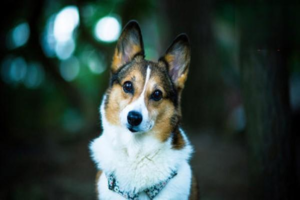
Poor appetite with vomiting often traces to a chill, overeating, spoiled or cold food, frequent food switches, or gut disease. Keep probiotics on hand to rebalance the gut, and build steady eating habits; see a vet if it repeats.

Border Terrier: Is It a Good Dog?
The Border Terrier is a small (about 25 cm), adaptable, obedient terrier built to run with horses and bolt into fox and badger dens. It has an otter-like head, a wiry double coat in red, grizzle, blue, or wheaten, and makes a sturdy, lively companion worldwide.

Why Dogs Pant Heavily
Panting is usually a dog's normal way of cooling down — they have almost no sweat glands and rely on rapid breathing to shed heat. But panting with no clear trigger, especially in cold weather, can signal fever, respiratory disease, or other serious illness.