Search Results
199 results for “dog cold weather”

Why Are My Dog’s Gums Pale?
Pale gums can be natural or a sign of trouble such as poor nutrition, oral infection, intestinal parasites, low blood sugar, autoimmune disease, or periodontal disease. Because causes differ, a vet check is the safest way to find the reason.

Why Is My Dog’s Jaw Chattering?
A dog's teeth may chatter from cold or anxiety — the two most common causes — or from oral pain, gastrointestinal disease, or neurological problems. Warm and comfort a cold or scared dog, and see a vet promptly if disease is the likely cause.

Is It Safe to Walk Your Dog in the Snow?
Most dogs can still be walked in snow, but it depends on the individual: sled breeds tolerate cold well, while small, short-haired, or frail dogs are at risk of hypothermia. Keep outings short, timed to warmer daylight hours, and protect paws and body.
Winter Dog Care: The ‘Five Do’s and Five Don’ts’ to Save
In winter, keep dogs warm by breed/age (short-haired, small, puppy, and senior dogs need coats outdoors; long-haired breeds don't), add nutritious cooked meats, watch electric-heater safety, groom coats, and protect paws from salt. The five don'ts: no all-day clothing (weakens the coat's insulation), no staying indoors (winter blues), no skipping deworming (every 2–3 months), no drinking snow melt (gut irritation), and no frequent baths (monthly is enough).

Why Is My Dog Refusing to Eat?
A dog may stop eating because of illness, unsuitable or suddenly changed food, weather or environment shifts, stress, old age, vaccine or medication effects, or heat cycles. Treat disease-related refusal with a vet visit, and address stress-related refusal with comfort and routine.
Is it normal for a dog’s nose to be wet?
A slightly moist nose is normal for dogs, but if the nose is very wet it may signal a respiratory infection with nasal discharge. Dogs lick their noses to keep them damp and sharpen their sense of smell, so some moisture is expected.
Does a Senior Dog Still Need Daily Walks?
Yes — senior dogs still need daily outings, just smarter ones. Gentle, frequent, short walks keep joints lubricated, weight down, and spirits up. Aim for three to four outings of 15–30 minutes of slow walking or swimming instead of one long, hard session.

When Can a Cat Freeze to Death from Cold Weather?
A cat with no shelter can freeze to death once temperatures drop below about 15°C (59°F), with kittens, sick, and underweight cats most at risk. In winter, feral cats also face starvation, dehydration, and fatal accidents under parked cars. Simple steps—clean water (with a little brown sugar to slow freezing), food, and a cardboard-box shelter—can save lives.

Is Heavy Panting After a Walk Normal for Dogs?
Panting after exercise is normal when a dog needs more oxygen and to dump heat — especially in heat or after hard, long activity, as long as it eats, drinks, and acts normally. But obesity makes panting worse, and panting with coughing, drooling, or breathing trouble can signal trachea, lung, or heart disease — see a vet. Walk lengths: small dogs 20-30 min, medium 30-40, large breeds over an hour, and pick flat, safe ground.
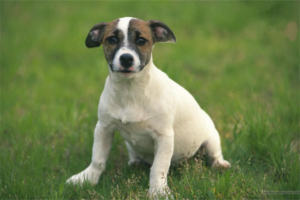
What to Do When Your Dog’s Hind Leg Cramps
A dog's hind-leg cramp can come from poor nutrition, overexercise, low temperature, or too little activity and sore muscles. When it happens, gently massage or apply a warm compress to ease the muscle, then rest the dog in a quiet, warm place. Balance the diet, exercise moderately, and keep the environment at a comfortable temperature to lower the chance of cramps.