Search Results
234 results for “dog care tips”
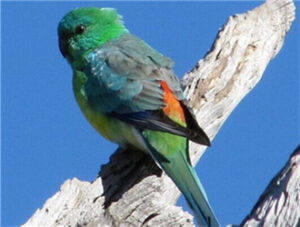
Red-rumped Parrot
The Red-rumped Parrot (Psephotus haematonotus) looks from a distance like a miniature peacock from behind, with beautifully blended multicolored plumage. This parrot is mainly distributed in southeastern Australia.

Chinchilla laniger
The Chinchilla laniger (Chinchilla laniger) is native to the Andes Mountains of South America, where it lives in caves and rock crevices at about 1,600 m elevation. Its appearance resembles that of a rabbit and a squirrel. A special feature is its pair of large, bright, ruby-red eyes, which are beautiful.

Six Things to Know When Raising a Teddy (Poodle)
First-time Teddy owners often feel lost. This guide shares six care points—bath frequency, leashing, calcium, vaccines and deworming, house-training, and diet for coat color.

Long-Haired Curly Guinea Pig
The Long-Haired Curly Guinea Pig, also known as the long-curly-haired cavy, is a rare and distinctive guinea pig variety native to Peru and Brazil. With its unique curly long coat and gentle nature, it makes a beloved small pet, though its coat requires regular grooming to prevent matting.
How to Raise a Samoyed Well?
Tips: provide balanced food--protein, fat, carbs, vitamins--quality commercial or homemade, avoid human food. Give enough exercise and space; they are energetic and need daily outings in a safe, roomy area. Regular brushing and bathing; dense double coat needs care to avoid mats and skin disease. Socialize and train basics.

What Are the Risks of Shaving Your Pet?
Shaving a pet can weaken its temperature control, raise the chance of skin allergy or other skin problems, lower coat quality, and affect its mood. Weigh the pros and cons before shaving, and if it is not necessary, it is best not to shave. If you must, use the right tools and method to avoid skin injury.
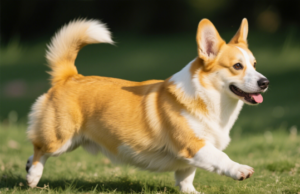
Are Corgis Prone to Patellar Luxation?
Corgis are indeed a high-risk breed for patellar luxation. Data from the Orthopedic Foundation for Animals (OFA) puts corgis in the top three among small breeds, with about 20%–30% developing some degree of the condition. The cause is twofold: a genetic mutation that leaves the trochlear groove too shallow to hold the kneecap, and a short-leg bone structure that angles the femur and tibia inward by 15°–20° more than usual, pushing the patella out of place. The problem is graded I–IV, from occasional skip-hopping to permanent dislocation. Mild cases are managed with joint supplements and limited exercise, while grades III–IV usually need surgery. Keeping the dog at a healthy weight and avoiding stairs and jumping are the best prevention.

Anglo Mink
The Anglo Mink is the domesticated pet ferret (Anglo / Marshall lines) kept as a companion animal. Intelligent, gentle, and easy to litter-train, it is heat-sensitive and mischievous when unwatched, needs a large wire-free cage and 4+ hours out daily, and eats a meat-based diet (30–35% protein, 15–20% fat). Lifespan 8–12 years.
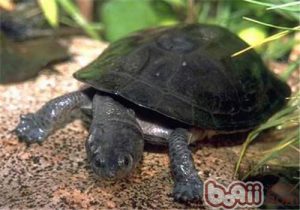
Mesoclemmys Turtle
The Mesoclemmys turtle is a little-known, wide-ranging South American species that has been largely overlooked by both researchers and hobbyists. A small, secretive turtle inhabiting shaded forest streams, it remains rare in the pet trade.
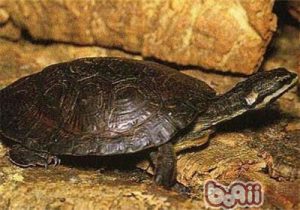
Phrynops williamsi
Phrynops williamsi, also called the Masked Toadhead Turtle, is a side-necked turtle from South America that loves basking and is semi-aquatic in the wild. Lively and relatively easy to keep, it remains uncommon in captivity and is found mainly as wild-caught individuals.