Search Results
154 results for “doe not pregnant”

Tan Rabbit
The Tan Rabbit's coat color is the result of selective breeding—not fixed, but pieced together from color blocks. It is a small-to-medium rabbit, usually kept on a small scale, and not commonly seen in the market.
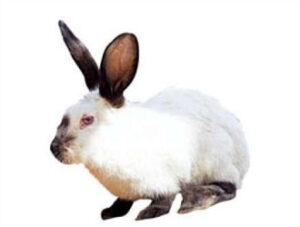
Californian Rabbit
The Californian Rabbit is a world-famous meat rabbit breed, developed artificially with stable genetics. It can be used for meat production or crossbred with other breeds, and is valued for disease resistance and fast growth.
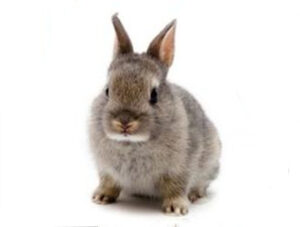
Dwarf Rabbit
The Dwarf Rabbit is a classic pet rabbit breed with a very small, adorable body that never grows large—its defining trait. Purebreds are expensive and rare, so beware of sellers passing off ordinary baby rabbits as Dwarf Rabbits; a true Dwarf Rabbit stays tiny for life.

Chinchilla Pregnancy and Post-Birth Care
During pregnancy separate the pair, feed easily digested high-nutrition food, remove high platforms after 80 days, and keep the nest warm and quiet. After birth ensure kits nurse colostrum within 4 hours; only 2-3 of the three nipple pairs produce milk, so hand-rear or foster the extras.

Rabbit Mastitis: Causes, Signs, and Treatment
Rabbit mastitis, common about a week after kindling, blocks kits from nursing and can kill the doe through tissue death or sepsis. It stems from dirty housing, cage splinters, oversupply from too much concentrate, or bitten teats. Prevent with managed feed and smooth clean cages; treat early with cold packs and ichthammol, later with hot packs and penicillin plus mequindox and dexamethasone, and surgery for abscesses. A sick doe can pass yellow-urine disease to kits, so treat both.

Rabbit Cannibalism of Kits: Causes and Prevention
Cannibalism of kits is a metabolic and nutritional disorder that peaks right after kindling, driven by salt, calcium, protein, or B-vitamin gaps, thirst, fright, odd smells, or poor mothering. Signs are missing kits with blood in the box. Prevent with complete feed, ample water, no handling of kits, quiet surroundings, and isolating the doe if she has the habit.

Rabbit Mycotoxin Poisoning: Symptoms and Control
Mycotoxin poisoning in rabbits comes from moldy feed, peaks in hot humid summer, and hits lactating does hardest with no contagion and poor drug response. Acute signs are appetite loss, irregular stools, staggering, and death in 2 to 4 days. Prevent it with strict feed storage and anti-mold additives, and treat by stopping the moldy feed and giving glucose, vitamins, and antifungal drugs.

Rabbit Breeding Characteristics
Rabbits are extremely fertile but have no regular estrous cycle — they are induced ovulators that release eggs only after mating or drug stimulation, 10–12 hours later. They have two separate uteri (allowing double pregnancies), mate most successfully around dawn and dusk, and suffer summer infertility, especially males. Pseudopregnancy is common and prevented by re-mating.

Preventing and Treating Rabbit Paratyphoid (Salmonellosis)
Rabbit paratyphoid (salmonellosis) is a zoonotic infection spread by contaminated feed and water, rodents, and flies; signs range from sudden death to diarrhea, wasting, and abortion in pregnant does. Control it by excluding vectors and vaccinating does, and treat with chloramphenicol, oxytetracycline, streptomycin, or sulfonamides.

What Happens When a Dog Lacks Calcium?
Calcium deficiency in dogs can cause serious problems, from poor appetite and a dull, rough coat to weak limbs and stunted bone development. Read on to learn the risks of calcium deficiency and how to supplement your dog properly.