Search Results
19 results for “divider”

Cockatiel: Habits and Breeding Performance
The cockatiel is a quiet, musical parrot that is hardy, disease-resistant and easy to keep, but needs a metal cage (it chews wood) and a varied diet. Its breeding season runs August to December, with 4–7 white eggs incubated about 18–20 days, and it can raise 3–4 clutches a year. Stop breeding in hot July–August and in old age, and keep the environment quiet and warm during incubation.

How to Care for a Cockatiel
Cockatiels are sturdy climbers that love to chew wood, so use a roomy metal cage (about 45×60×40 cm per pair) with a 2 cm perch. Clean the water cup daily, disinfect cups weekly, and keep the room at 16–30°C. Feed a mixed seed diet—millet 40%, hemp 20%, panicum 20%, sunflower 10%, rice 10%—plus egg-food and greens. They breed from about eight months; skip summer breeding for better hatch rates, and keep things quiet during nesting.
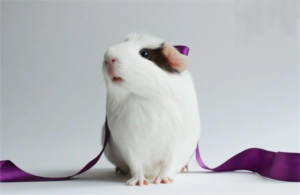
What to Do When Guinea Pigs Keep Fighting
Guinea pigs are social and usually gentle, but they do fight now and then. What causes it, and how do you stop them without injury? Here are the common causes and fixes.
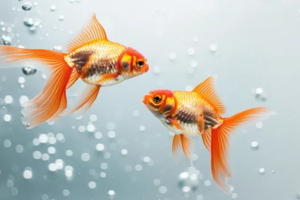
What to Do When Blood Parrot Cichlids Fight?
Blood parrot cichlids commonly fight over territory, mating competition, and food. They are highly territorial, so cramped space easily triggers battles; during breeding season males fight hard for mates, and scarce food sparks frequent squabbles. Give them room, hiding spots, a balanced group, and ample food to keep the peace.
How long is the shelf life of dog food?
Generally 6-18 months (varies by brand, stated on the package). Keep it dry and cool to avoid mold. Use divider bags for large packs. Never feed expired or spoiled food, which can harm the gut or cause poisoning.

What to Know Before Breeding Hamsters
Successful hamster breeding needs a suitable cage, matched healthy adults of the same species, gentle introduction, and separation right after mating. Support the mother with extra nutrition during pregnancy, and manage the nest carefully once pups arrive.

Orange Arowana
The Orange Arowana is a variety of Asian arowana kept by some as a feng shui fish. With a suitable environment and scientific care it is not difficult to keep. Fully grown fish reach about 90 cm, with orange-red gill covers and orange scales, and are the most affordable of the red arowana varieties.

Zebrafish
The Zebrafish (Danio rerio) is a small, gentle, hardy freshwater fish with blue-and-silver stripes. Famous as a model organism in genetic and medical research, it is also an easy, community-friendly beginner fish.

How to Prevent Arowana Fright
Arowana fright is common and hard to eliminate entirely, so owners should both prevent it and know how to respond. Give new fish quiet time to adapt, keep tankmate sizes matched, maintain stable warm water, and limit pets/children near the tank; for an already-startled fish, the 'old three' (heat, salt, water change) usually helps.
- « Previous
- 1
- 2