Search Results
19 results for “divider”
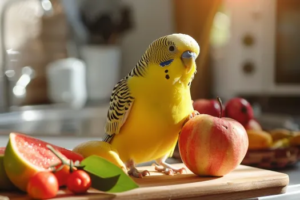
Treating Blood Parrot Fish Injured in Fights
Blood parrots are territorial and bite when cramped or hungry, but minor wounds often heal with clean water and salt while serious ones need potassium permanganate or a medicated bath. Prevent fights with a bigger tank, steady feeding, and a divider for new tank mates.
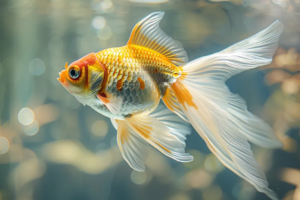
What to Do When Arowana Fish Fight
Arowanas are fiercely territorial, so fights in a community tank usually come down to cramped space, scarce food, or a big size gap. Give them room and steady feeding, match tank mates by size and temperament, and use a divider to introduce newcomers before they share open water.

How to Choose Dog Bowls, Waterers and Feeders
Homes with pets surely keep several sets of pet tableware; most use traditional bowls - plastic, ceramic, stainless steel - in various shapes, chosen by the owner's taste.

What to Do When Your Cat Keeps Pooping and Peeing in the Wrong Place
Cat keeps meowing everywhere in new home? Cats have three urgent needs; maybe it's just looking for a toilet. Cats are magical - they need their own toilet, the litter box, and litter to cover waste.

What Equipment Do You Need to Raise Rabbits?
Raising rabbits requires several items - the hutch and basic supplies are essential. This article lists the equipment you need, helping new rabbit keepers get started.

Preventing and Treating Diarrhea in Unweaned Kits
Unweaned kits are fragile and diarrhea is often fatal, unlike in adults. This guide covers why kits get diarrhea and how the doe-kit cage (separating mother and kits except at nursing) dramatically raises survival.
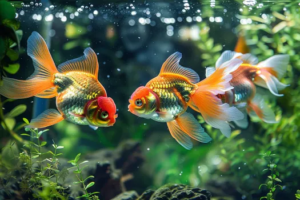
Why Do Arowana and Tiger Fish Fight?
Arowana and tiger fish usually fight over territory or food, or during breeding season. Give them enough space and ample food, and separate or divider them if fighting is frequent. After injury, separate at once and treat wounds with potassium permanganate or erythromycin, keeping water stable at 28-30C.
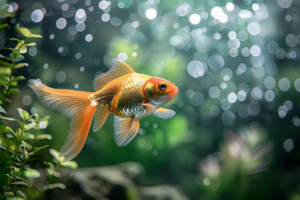
The Arowana Breeding Process
Arowana breeding requires specific water temperature and quality, and proceeds in three steps: pairing, egg-carrying, and spawning. This article walks through each stage and the care needed during the breeding period.

Chinchilla Care Basics
Chinchillas are gentle and non-aggressive but timid and noise-sensitive, needing a quiet home; they live 15–20 years. This guide covers their temperament, lifespan, cage and environment setup, and diet.

Common Mistakes in Hamster Care
Common hamster care mistakes: housing hamsters together (they're solitary and will fight or over-breed), putting them in direct sun (heatstroke), bathing them (risky — use bath sand), feeding human food (additives overload them), giving untreated tap water (chlorine poison — boil and cool), using newspaper as bedding (inky, poor), and giving too little space. Read on to raise yours safely.