Search Results
482 results for “common diseases”
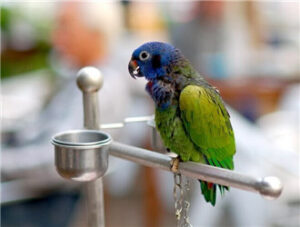
Blue-headed Parrot
The Blue-headed Parrot (Pionus menstruus) is a relatively small, slightly plump parrot with a short tail that can live up to 25 years with good care. It is one of the more commonly kept parrots of its genus, with three subspecies that differ mainly in the depth and spread of the blue coloration on the head.

What to Watch for When Raising Dogs in Spring
Spring's high humidity and active parasites raise the risk of skin disease, colds, and stomach upset in dogs. Keep the coat dry, warm the dog after baths, add vitamins during the shedding season, and deworm monthly (pups) or every 2-3 months (adults).

What Causes Cat Pneumonia — and How Is It Treated?
Cat pneumonia starts with lung or bronchial inflammation, often triggered by dirty air, low immunity, a foreign body, a cold, allergy, or another disease (parvo, panleukopenia, kidney/heart). Acute cases show sudden fever and breathing trouble; chronic shows lasting cough and low appetite. Treatment is culture-guided antibiotics plus cough relief and fluids, with prevention focused on a clean, dry environment.

Why Do Dog Vaccinations Sometimes Fail?
Vaccine failure in dogs has many causes — poor nutrition, high maternal antibodies, expired or low-quality vaccines, and stress after vaccination. This article analyzes why dog vaccinations fail and how to avoid it.

Why Is Your Goldfish Floating Belly-Up?
Many things cause a goldfish to float belly-up — low oxygen, poor digestion, swim bladder imbalance — and each needs different treatment. This article analyzes the causes.

How to Prevent Swim Bladder Disease in Ornamental Fish
Swim bladder disease is common in ornamental fish; prevent it by controlling temperature and water quality. Many cases follow water changes with big temperature gaps — keep new and old water within about 2°C. If a fish loses buoyancy, isolate it in shallow water with a little salt, feed less, and if needed add a buoyancy aid.

Causes and Treatment of Tonsillitis in Dogs
The most common cause of canine tonsillitis is a bacterial infection. If your dog's tonsils are inflamed, treat it promptly to stop the inflammation from worsening or turning into a secondary purulent infection. Here are the causes, symptoms, and treatments.

Why Is Your Fish Refusing Food? Causes and Fixes
Fish refuse food for many reasons: poor water quality, overfeeding/indigestion, illness (ich, enteritis), natural fasting, food boredom, sudden environmental change, or loneliness after losing tankmates. Fixes range from water changes and fasting to treating disease and restoring the school.
What happens when a dog gets skin disease?
Dog skin disease usually causes hair loss, itching, dandruff, bumps, and scabs, varying by type. Common ones include eczema, mange, bacterial, and fungal infections. Eczema from allergies causes red, itchy, wet skin that may secondarily infect; mange from mites is contagious with severe itch and hair loss; bacterial shows redness, pus, wounds; fungal shows hair loss, redness, itch, dandruff. See a vet promptly.

Why Is Your Cat Anemic, and What to Do?
Cat anemia has four main causes - blood loss, hemolysis (PK/PFK deficiency, toxins, blood parasites), nutritional deficiency (iron/copper), and disease (FIV, FeLV). Fix the root cause: stop bleeding, treat parasites, supplement iron and B vitamins, or treat the underlying illness.